Understanding window tint laws can be confusing, especially since each Australian state has its own regulations. Whether you’re upgrading your car’s look, improving UV protection, or boosting privacy, it’s important to know the darkest legal tint in South Australia (SA) before you hit the road.
This comprehensive guide breaks down everything you need to know about South Australia’s window tint laws, including tint percentages, what’s allowed on each window, and why choosing the right film ensures safety, comfort, and compliance.
What Is Window Tint and How Is It Measured?
Before diving into the darkest legal tint SA allows, let’s clarify what tinting actually means.
Window tint is a thin film applied to your car’s glass to reduce sunlight, heat, and glare. The darkness of a tint is measured using a unit called VLT - Visible Light Transmission.
VLT percentage represents how much light passes through both the glass and tint film.
- Higher VLT (e.g., 70%) = lighter tint, more visibility.
- Lower VLT (e.g., 20%) = darker tint, less visibility.
For instance, a window tint with 35% VLT means that 35% of visible light passes through, while 65% is blocked.
The Darkest Legal Tint in South Australia
In South Australia, the darkest legal tint you can use depends on which windows you’re tinting. The rules are set by The Vehicle Standards Bulletin (VSB 14) and enforced by SA Police.
Here’s a clear breakdown:
Front Side Windows
- Legal Tint Percentage: Minimum 35% VLT
- This means your front windows must allow at least 35% of visible light to pass through. Anything darker reduces driver visibility - especially at night - and is illegal.
Rear Side Windows
- Legal Tint Percentage: Minimum 20% VLT
- You can go darker here. Rear passenger windows can have a tint as low as 20%, allowing for more privacy and heat reduction.
Rear Window (Back Windshield)
- Legal Tint Percentage: Minimum 20% VLT
- Like the rear side windows, your back window can also have 20% VLT, giving a sleek and uniform appearance across the back half of your car.
Windscreen Tint
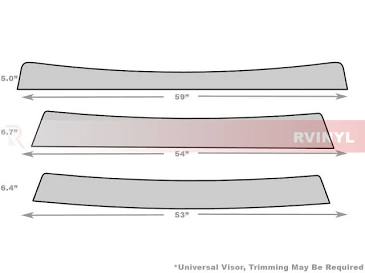
- Tinting Rule: Only the top 10% of the windscreen (commonly called a sun strip or visor strip) can be tinted.
- The rest of the windscreen must not have any tint film applied.
Why Tint Laws Exist in SA
South Australia’s tint regulations aren’t just about looks - they’re about safety.
Dark tints may enhance privacy, but they can also:
- Reduce visibility for drivers, especially at night or in bad weather.
- Make it harder for pedestrians, cyclists, and other drivers to make eye contact.
- Hinder law enforcement officers’ ability to see inside the vehicle during traffic stops.
By setting clear limits on legal tint percentages, SA ensures drivers enjoy both style and safety on the road.
What Happens If You Go Darker Than the Legal Limit?
Installing a tint darker than the darkest legal tint South Australia allows can lead to fines, defect notices, and potential registration issues.
Penalties may include:
- A defect notice requiring you to remove the tint within a set timeframe.
- Possible fines of several hundred dollars.
- Failing a vehicle inspection or roadworthy test.
While it might be tempting to go darker for aesthetics, it’s not worth the hassle. Sticking to the legal tint percentage ensures your car remains compliant - and your vision stays clear.
Factory Tint vs. Aftermarket Tint: What’s the Difference?
Many modern vehicles come with factory tint - a type of tint integrated into the glass itself. Factory tints typically have around 70 - 80% VLT, providing minimal heat reduction and UV protection.
To achieve better performance, most car owners install aftermarket window tinting on top of factory glass. That’s where professional installers, like R1 Auto , come in.
Aftermarket tints can significantly:
- Reduce glare and eye strain.
- Block up to 99% of harmful UV rays.
- Lower cabin temperature.
- Improve privacy and security.
Choosing the Right Tint for Your Car
Selecting the right window tint isn’t just about going as dark as possible - it’s about matching your goals, budget, and South Australia’s tint regulations.
Here are some key factors to consider:
1. Heat Reduction
If you drive often in Adelaide’s hot summer sun, choose a tint that offers strong infrared rejection. High-performance films like ceramic or carbon tints keep your cabin cooler without going below the legal tint percentage.
2. UV Protection
Even lighter tints can block UV radiation. Quality films from R1 Auto’s Window Tinting Adelaide range can shield your skin and interior materials from harmful rays.
3. Privacy and Security
Darker rear tints (20% VLT) add privacy while keeping valuables hidden. It’s an excellent option for families, rideshare drivers, or anyone carrying equipment.
4. Aesthetic Appeal
Tinting enhances your car’s style - giving it a polished, professional, and modern look. However, always balance aesthetics with legality and safety.
Benefits of Staying Within the Legal Tint Limit
Complying with South Australia’s legal tint laws doesn’t just keep you safe from fines - it also ensures your tint performs optimally.
Better Visibility
Tints within the legal limit maintain clear visibility during night driving and rainy conditions.
Roadworthiness
Compliant tint ensures your vehicle passes inspections without issues.
Insurance Compliance
Insurance companies may reject claims if illegal modifications (like too-dark tint) contribute to an accident.
Long-Term Protection
Professional-grade tints - such as those offered at R1 Auto’s Window Tinting Henley Beach Road for Locals - are durable, UV-resistant, and come with warranties that protect your investment.
Common Myths About Window Tinting in South Australia
There are plenty of misconceptions floating around about legal tint percentages. Let’s clear up a few:
Myth 1: “It’s fine if it looks light enough.”
False. Even if a tint looks light, it might still fall below the required VLT percentage once tested.
Myth 2: “I can go darker on my rear windows if I don’t carry passengers.”
Not true. The law doesn’t change based on who’s in the car - 20% VLT is the minimum legal limit for all rear windows.
Myth 3: “Police rarely check window tint.”
Incorrect. SA Police use tint meters to measure VLT during inspections or roadside checks. If your tint is too dark, you’ll likely face penalties.
Where to Get Legal and Professional Tinting in Adelaide
If you’re unsure whether your current tint meets South Australia’s legal tint standards, it’s best to consult a professional installer.
At R1 Auto Window Tinting Adelaide , our technicians specialise in legal, high-quality tint installations that balance style, performance, and compliance.
We serve drivers across Adelaide and nearby suburbs, including:
- Port Adelaide - smart upgrades for a cooler, sleeker car.
- Elizabeth - affordable and durable tints that are worth every dollar.
- Henley Beach Road - local experts who know the area’s driving conditions.
How to Check If Your Tint Is Legal
If you’re unsure about your car’s tint percentage, you can:
- Ask a professional installer to test the VLT with a certified meter.
- Check your tint’s documentation or receipt if recently installed.
- Compare visually - though not 100% reliable, extremely dark tints are often below 20% VLT and illegal for front windows.
When in doubt, consult professionals like R1 Auto to assess your tint’s compliance and provide expert advice.
Final Thoughts: Stay Stylish, Safe, and Legal
The darkest legal tint in South Australia strikes a perfect balance between aesthetics and safety:
- Front windows: 35% VLT minimum
- Rear windows: 20% VLT minimum
- Windscreen: Top 10% strip only
By following these guidelines and choosing a professional tint installer, you can enjoy all the benefits of tinted windows without risking fines or visibility issues.
Ready to Upgrade Your Car Tint in Adelaide?
At R1 Auto, we specialise in premium, legal window tinting services across Adelaide and its suburbs. Whether you’re looking for more privacy, UV protection, or a stylish new look - we’ve got you covered.
Book your appointment today: Visit R1 Auto Window Tinting Adelaide and get a quote for your car.
Drive cooler, safer, and within the law - with R1 Auto.