When the blistering heat of the Australian summer hits, the temptation to grab a cheap DIY film kit from the local auto parts store is incredibly strong. However, applying budget plastic onto your windows in the driveway almost always ends in a bubbling, peeling disaster that completely ruins your outward visibility. If you want a genuine, permanent solution to cabin heat, understanding how window tint percentage works is the smartest first step you can take.
Living the active Newcastle lifestyle means your vehicle faces intense solar radiation and heavy coastal humidity every single day. Whether you are parking near the salty air of Merewether Beach, cruising down the M1 Pacific Motorway, or sitting in city traffic, your car quickly turns into an oven. You need honest, straightforward advice on how to keep your cabin cool without falling for confusing industry jargon or high-pressure upselling.
In this transparent guide, we remove the mystery from automotive tint terminology so you can style your vehicle with total confidence. We will explain how light transmission is measured, break down what different window tint levels look like in the real world, and outline Australian road legality. By the end, you will know exactly how to balance privacy, UV protection, and nighttime visibility for your daily commute.
How Does Window Tint Percentage Actually Work?
Before choosing a film shade, it helps to understand how professional installers and highway patrol officers measure window darkness. The automotive industry uses a standard metric called Visible Light Transmission (VLT), which represents the percentage of ambient light that successfully passes through your glass into the cabin.
A completely clear piece of standard factory glass sits around 70% to 80% VLT, allowing almost all daylight inside. On the opposite end of the scale, a 0% VLT rating means the window is solid black and entirely opaque. A lower percentage number always indicates a darker, more restrictive film.
When you install a 35% film, exactly 35% of outside light is allowed into your vehicle, while the remaining 65% is blocked. With a 20% film, only 20% of light passes through, creating a significantly darker interior shadow.
Stacking Film Over Factory Privacy Glass
A common mistake many car owners make is forgetting that modern factory glass is rarely 100% clear straight from the dealership. Most new SUVs and wagons come with slight factory tinting that already blocks 20% to 30% of incoming light.
If you apply an aftermarket film directly over factory-dyed glass, the combined VLT drops significantly lower than the number on the film roll. Professional installers always measure your bare glass with a calibrated light meter first to ensure your finished windows remain legally compliant.
A Visual Guide to Popular Window Tint Levels
Deciding on the right shade comes down to understanding how different window tint levels perform across varying outdoor lighting conditions. Every percentage offers a distinct trade-off between exterior privacy, aesthetic styling, and outward driving visibility.
50% VLT: Subtle Heat Reduction and Clean Styling
A 50% film offers a very light, subtle smoke that cuts down harsh afternoon glare without noticeably darkening the appearance of your windows. It is ideal for drivers who struggle with night-time eye strain but still want genuine UV and heat protection.
From the outside, passers-by can still see inside your cabin clearly, making it a popular choice for restoring classic vehicles. It preserves a clean, factory-like aesthetic while upgrading your glass with modern solar rejection.
35% VLT: The Legal Front Window Benchmark
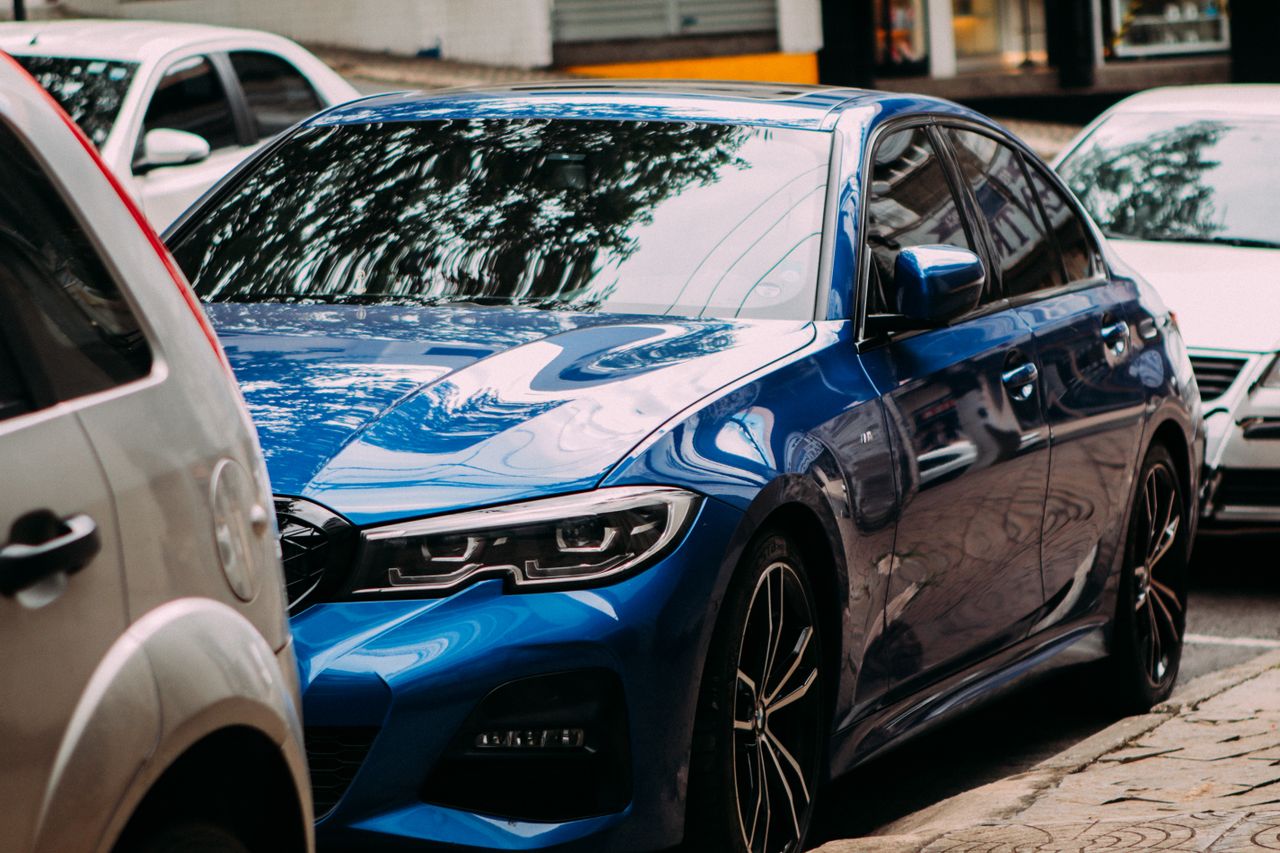
A 35% film is the most popular shade across Australia because it represents the legal darkness limit for front driver and passenger door windows. It provides a sleek, medium-charcoal aesthetic that gives your car a refined, uniform appearance on any paint colour.
During a bright afternoon, people walking past can still make out vague silhouettes inside your cabin, but harsh glare is dramatically reduced. At night, looking out through a 35% film feels crisp and natural, allowing you to easily check your side mirrors and spot gutters.
20% VLT: Maximum Rear Privacy and Glare Relief
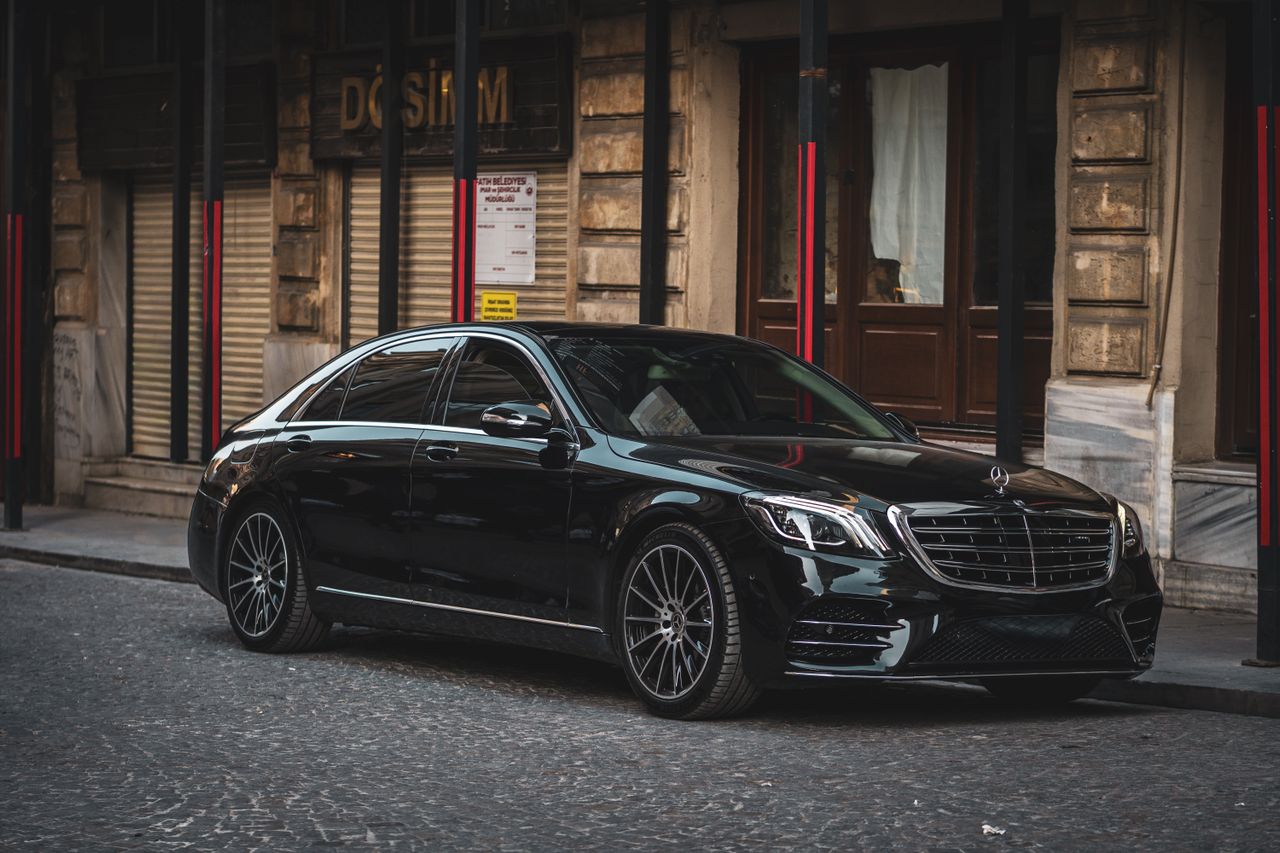
A 20 percent film delivers a rich, dark charcoal profile that makes it very difficult for people to see inside your vehicle during the day. It is exceptionally popular for back windows to keep children comfortable or hide expensive work tools on the back seat.
When looking at the car from the outside, a 20% shade provides a uniform, darkened appearance that closely matches factory privacy glass. Outward visibility remains comfortable during the day, though backing into dimly lit driveways at night requires extra caution. To see how these shades look side by side across different vehicle models, explore our guide on comparing car tint percentages .
5% VLT: The Off-Road “Limo Look”
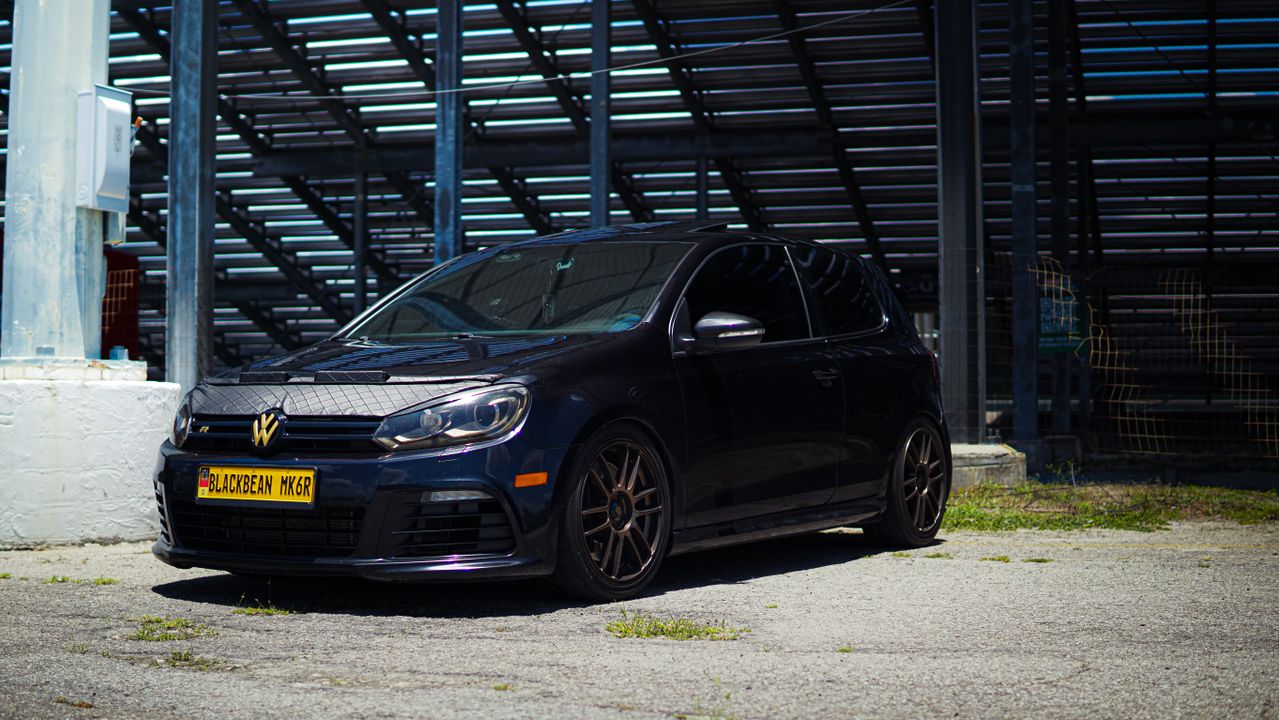
A 5% VLT film - commonly known as limousine tint - blocks 95% of visible light and provides total blackout privacy from the outside. While it looks aggressive, 5% limo tint is illegal on standard passenger cars across Australian roads.
Installing 5% film on your daily commuter creates severe visual blind spots at night, acting like wearing dark sunglasses at midnight. It is strictly reserved for specialty private transport, show cars, and dedicated rear cargo spaces on commercial work vans.
Balancing Heat Rejection, Privacy, and Night Visibility
A common myth pushed by budget wash-and-tint cafes is that you must choose the darkest possible tint percentage to keep your cabin cool. In reality, heat rejection depends on the technological chemistry of the film rather than how dark it looks to the eye.
Why Cheap Dyed Films Fail
Old-fashioned dyed films rely entirely on dark ink to create a shadow inside the car. These entry-level plastics act like a dark sponge, absorbing solar infrared warmth and radiating it directly onto your dashboard.
Within a single summer, harsh coastal ultraviolet rays destroy these cheap dyes, turning them an ugly purple colour . The basic adhesives melt in the coastal humidity, creating massive air bubbles that completely ruin your outward view.
The Nano-Ceramic Advantage
Modern nano-ceramic films use microscopic, non-metallic particles to bounce heat away from your glass before it ever enters the cabin. A lighter 35% ceramic tint will block significantly more infrared heat than a pitch-black dyed film.
- Massive Infrared Rejection: Advanced ceramic films block up to 88% of solar infrared warmth, allowing your air conditioning to cool the cabin in minutes.
- 99.9% UV Ray Defence: Ceramic technology acts as a permanent sunscreen, preventing sunburn during summer holidays and stopping your dashboard from cracking.
- Zero Electronic Interference: Because ceramic films contain zero metallic aluminium layers, your GPS navigation and mobile phone signals will never drop out.
- Crystal-Clear Night Vision: You get maximum thermal comfort in a lighter, legal shade, ensuring your family stays safe on poorly lit suburban roads.
Legal Tint Limits Across Australian Roads
Making sure your vehicle remains roadworthy and legally compliant is just as important as aesthetics and heat control. Transport authorities enforce strict VLT boundaries to protect driver visibility and ensure emergency responders can see inside the vehicle when necessary.
Front Driver and Passenger Windows
Across New South Wales and the rest of Australia, the absolute darkest legal limit for front side windows is 35% VLT. Installing a 20% or 5% film on your front driver or passenger door is strictly illegal and can result in heavy police fines.
This regulation ensures you maintain unimpeded vision through your side mirrors during heavy storms or when navigating roundabouts at night. To review how state road transport rules define these limits, read our breakdown of compliant auto tint percentages .
Rear Passenger Windows and Back Windscreen
For side windows behind the driver’s seat and the rear windscreen, Australian road rules allow you to go darker down to 20% VLT. This permits a popular “staggered setup” where you install a compliant 35% film on the front doors and a darker 20% shade on the rear glass.
The Hidden Risks of Illegal Window Tint
Trying to bypass legal window limits carries severe financial and safety risks that far outweigh any short-term styling appeal:
- Roadside Fines and Demerits: Highway patrol officers actively test windows with light meters and issue hefty on-the-spot fines for non-compliant glass.
- Defect Notices (Yellow Stickers): You can be handed a formal defect notice requiring you to strip the film and pay for an official roadworthiness re-inspection.
- Voided Car Insurance: If you are involved in a night-time collision, insurance assessors can deny your comprehensive claim if illegal windows impaired your vision.
How to Choose the Ideal Shade for Your Lifestyle
Selecting the right film percentage comes down to how you use your car every day. Here is a practical comparison to help you decide which setup works best for your Newcastle routine:
Why Proper Preparation and Professional Application Win
Even the highest-quality ceramic film will fail quickly if it is applied over dirty glass or installed in a dusty environment. Cheap wash cafes often rush cars through open bays, allowing coastal wind and sand to get trapped under the film. Once grit is sealed beneath the plastic, permanent bubbles form that cannot be repaired without stripping the window bare.
Professional technicians follow a systematic preparation routine to guarantee a flawless, workshop-quality finish that withstands the coastal climate:
- Deep Glass Decontamination: We scrub and blade the interior glass to remove invisible body oils, salt residue, and old adhesive.
- Precision Film Cutting: Every piece is carefully trimmed slightly larger than your window frame to eliminate unsightly light gaps.
- Advanced Heat-Shrinking: We use industrial heat guns to shrink the film so it perfectly mirrors compound glass curves.
- Sterile Application: The film is applied using clean mounting fluids, pushing out all moisture for a smooth, bubble-free bond.
We know your weekends are precious, especially when preparing your car and checking your tyres for family road trips. Spending your Saturday sitting in a cramped workshop waiting room or navigating busy traffic is a major logistical inconvenience. By bringing a clean, controlled mobile setup directly to your home garage, an expert saves you hours of travel time while delivering a pristine finish.
Conclusion: Make a Smart, Lasting Investment
Choosing the right window tint percentage comes down to balancing your daily driving comfort, privacy goals, and Australian road legality. Whether you choose a crisp 35% film all round or a darker 20% shade for your rear glass, upgrading to nano-ceramic window tint is one of the smartest investments you can make for your vehicle.
Ultimately, proper preparation and professional application are what make the coating and tint last for the entire lifespan of your car. Do not settle for bubbling, purple DIY kits or inexperienced installers willing to apply illegal films just to make a quick sale.
If you are ready for a flawless, workshop-quality finish with zero high-pressure sales tricks, we are here to help. Reach out today to secure a free, no-obligation quote from R1 Auto Newcastle. (The Mobile Window Tint and Ceramic Coating Specialists).