When the blistering Australian sun hits your vehicle during the summer holidays, many drivers naturally wonder, can you tint front windscreen glass to stop the heat? The temptation to grab a cheap DIY film kit from the local auto parts store is incredibly strong when you are trying to keep your cabin cool. However, slapping budget plastic onto your windscreen in the driveway almost always ends in a bubbling, peeling disaster that completely ruins your outward visibility.
Whether you enjoy the active Newcastle lifestyle, parking near the salty air of Merewether Beach or cruising along the M1 Pacific Motorway, many local motorists frequently purchase vehicles from South Australia or travel interstate across regional corridors. Battling intense local sun, heavy coastal humidity, and blinding glare means your car quickly turns into an oven. Navigating interstate road rules or modifying a vehicle registered under South Australian regulations requires honest, straightforward advice without confusing legal jargon.
In this transparent guide, we break down South Australia’s window tinting rules so you can protect your vehicle with total confidence. We explain what the law says about primary viewing areas, outline exact measurements for permitted visor strips, and highlight common compliance mistakes. By the end, you will know exactly how to achieve maximum glare reduction and UV protection while remaining 100% road legal.
What South Australian Law Says About Front Windscreens
To understand automotive tinting regulations, you first need to know how police officers and vehicle inspectors evaluate windscreen modifications. Across Australia, including South Australia, aftermarket tint film is strictly prohibited across the main viewing area of your front windscreen.
The law treats your front windscreen very differently from side and rear door windows for simple road safety reasons. A dark film across your primary line of sight severely restricts forward visibility, especially when driving along dimly lit roads at night or during heavy storms.
Understanding Factory Windscreen Standards
Under Australian Design Rules (ADR) and South Australian road safety standards, a passenger vehicle windscreen must have a Visible Light Transmission (VLT) of at least 70%. This 70% VLT rating applies strictly to original factory-manufactured glass.
Because standard automotive glass already blocks 20% to 30% of ambient light straight from the factory, applying any aftermarket tint roll across the full windscreen drops the total VLT below legal limits. You cannot legally install even a clear or light aftermarket film across the entire windscreen area.
To help you test whether your planned window film setup complies with South Australian and Australian Design Rules, try our interactive legal compliance calculator below.
The Legal Exception: Permitted Front Sun Visor Strips
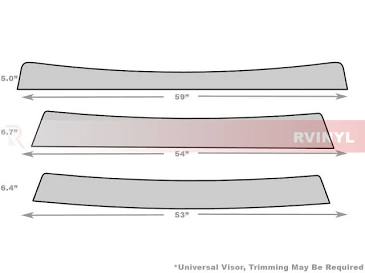
While you cannot tint the main viewing area of your windscreen, South Australian regulations permit a highly effective legal exception. Motorists are allowed to install a tinted sun visor strip along the uppermost edge of the front glass.
This dark visor band acts like a built-in pair of sunglasses for your vehicle. It blocks harsh afternoon glare when the sun is low on the horizon without restricting your primary field of view.
Strict Measurements for Visor Strips
To ensure your sun visor strip remains roadworthy and legally compliant in South Australia, professional installers follow precise legal measurements:
- Maximum 10% Windscreen Height: The dark film strip cannot extend lower than the uppermost 10% of the total windscreen area.
- Above Wiper Sweep Arc: The bottom edge of the strip must remain above the highest point swept by your windscreen wipers.
- Zero Sensor Interference: The film must never cover or obstruct forward-facing safety cameras or rain sensors mounted behind your rear-view mirror.
When applied correctly, a sun strip delivers exceptional glare relief while keeping your car 100% street legal. To learn how our technicians measure and apply compliant sun bands, explore our dedicated front windscreen tint service page.
Side and Rear Window Tinting Limits in South Australia
While windscreen modifications are heavily restricted, South Australian law allows significantly more freedom across your side and rear glass. Understanding these VLT boundaries ensures your vehicle remains comfortable and cool without drawing unwanted police attention.
Front Driver and Passenger Door Windows
The windows immediately next to the driver and front passenger carry the strictest darkness limits on the sides of the car. The legal limit for front side windows is firmly set at 35% VLT minimum.
This regulation ensures your side mirrors remain perfectly visible during heavy storms or when backing into dimly lit driveways at night. To see how these rules apply across different car models, read our comprehensive overview of windscreen tinting Adelaide services.
Rear Windows and Back Windscreen
For side windows strictly behind the driver’s seat and the rear windscreen, South Australian road rules allow you to go darker down to 20% VLT. This permits a popular “staggered setup” where you install a compliant 35% film on the front doors and a darker 20% shade on the rear glass.
This combination keeps your children comfortable in the back while concealing expensive work tools from prying eyes. To verify how visible light transmission is calculated across passenger cars, review our darkest legal tint SA guide .
The Hidden Risks of Illegal Windscreen Tinting
Trying to bypass windscreen rules by installing illegal full-windscreen film carries severe financial and safety risks. Enforcement officers actively inspect windscreen light transmission during roadside checks and registration inspections.
- Roadside Fines and Demerits: Driving a car with an illegally tinted windscreen can trigger immediate on-the-spot police fines.
- Defect Notices (Yellow Stickers): Highway patrol officers can issue a formal defect notice requiring you to remove the film and pay for an official roadworthiness re-inspection.
- Voided Car Insurance: If you are involved in a traffic accident, insurance assessors can deny your comprehensive claim if an illegal windscreen tint impaired your forward vision.
- Severe Night-Time Blindness: A dark windscreen acts like wearing sunglasses at midnight, drastically reducing your ability to spot pedestrians and unlit road hazards.
4 Common Compliance Mistakes Vehicle Owners Make
When shopping around for window tinting, it is very easy to fall into traps set by inexperienced backyard installers or budget wash cafes. Avoiding these four common pitfalls will save you from spending hundreds of dollars stripping ruined film down the track.
- 1. Applying Full-Windscreen Film: Believing that a light or “clear” aftermarket film is legal across the entire windscreen area.
- 2. Exceeding Visor Strip Depth: Letting a sun strip extend into the active wiper sweep arc or below the top 10% line.
- 3. Stacking Film on Privacy Glass: Stacking aftermarket film over factory-tinted rear glass without measuring combined VLT.
- 4. Using Cheap Dyed Plastic Rolls: Buying budget dyed films that turn purple, bubble in the humidity, and offer zero infrared heat rejection.
How to Beat Cabin Heat Legally Without Full Windscreen Tint
Many drivers assume that because they cannot tint their whole windscreen, their car will inevitably heat up like an oven. In reality, you can achieve remarkable cabin cooling by utilizing high-performance nano-ceramic film across your permitted side and rear windows.
Unlike cheap dyed films that absorb solar heat, premium nano-ceramic films contain billions of microscopic, non-metallic ceramic particles. Ceramic film actively bounces infrared heat away from the glass before it ever enters your cabin.
- Superior Infrared Rejection: Ceramic film blocks up to 88% of solar infrared heat, allowing your air conditioning to cool the cabin in minutes.
- 99.9% UV Ray Protection: It acts as a permanent sunscreen for your interior, preserving your upholstery colour and stopping dashboard cracking.
- Flawless Signal Clarity: Because ceramic films contain zero metallic aluminium layers, your GPS and mobile phone signals will never drop out.
- Crystal-Clear Night Vision: You get maximum heat reduction in a lighter, legal 35% shade, keeping your family safe on poorly lit roads.
Why Proper Preparation and Professional Application Win
Even the highest-quality ceramic film will fail quickly if it is applied over dirty glass or installed in a dusty environment. Cheap wash cafes often rush cars through open bays, allowing coastal wind and sand to get trapped under the film. Once grit is sealed beneath the plastic, permanent bubbles form that cannot be repaired without stripping the window bare.
Professional technicians follow a systematic preparation routine to guarantee a flawless, workshop-quality finish that withstands the Australian climate:
- Deep Glass Decontamination: We scrub and blade the interior glass to remove body oils, salt residue, and old adhesive.
- Precision Film Cutting: Every piece is computer or hand-trimmed to fit your frame perfectly, eliminating unsightly light gaps.
- Advanced Heat-Shrinking: We use industrial heat guns to shrink the film so it perfectly mirrors compound glass curves.
- Sterile Application: The film is applied using clean mounting fluids, pushing out all moisture for a smooth, bubble-free bond.
We know your weekends are precious, especially when preparing your car and checking your tyres for family road trips. Spending your Saturday sitting in a cramped workshop waiting room or navigating busy traffic is a major logistical inconvenience. By bringing a clean, controlled mobile setup directly to your home garage, an expert saves you hours of travel time while delivering a pristine finish.
Conclusion: Make a Smart, Lasting Investment
Understanding legal tint SA regulations ensures you can upgrade your vehicle with total confidence. While full windscreen tinting is prohibited, installing a compliant sun visor strip alongside premium nano-ceramic side windows delivers incredible glare relief and heat protection.
Ultimately, proper preparation and professional application are what make the coating and tint last for the entire lifespan of your car. Do not settle for bubbling DIY kits or inexperienced installers willing to apply illegal films just to make a quick sale.
If you are ready for a flawless, legally compliant finish with zero high-pressure sales tricks, we are here to help. Reach out today to secure a free, no-obligation quote from R1 Auto Newcastle. (The Mobile Window Tint and Ceramic Coating Specialists).