Adelaide summers are notoriously scorching. When the intense local sun hits your car parked near Glenelg beach or while you are stuck in traffic on the Southern Expressway, the heat can be unbearable. This often leads to the temptation of buying cheap DIY tint kits online to black out your windows.
However, understanding car tint percentages is crucial before you alter your glass. If you apply a film that is too dark, you risk massive safety hazards and immediate police defect notices.
At R1 Auto Adelaide , we believe in giving our customers honest, no-nonsense advice. We know you value your time and want a high-quality finish without high-pressure sales tactics. Let us break down exactly how these percentages work and what the law allows on South Australian roads.
Demystifying Car Tint Percentages: What is VLT?
Before you can choose the perfect film, you need to understand the metric used by the window tinting industry and highway patrol. This universal measurement is called Visible Light Transmission, or VLT.
VLT simply measures the percentage of visible light that can pass through your car windows. This is the exact number authorities use to determine if a film is legal.
- Higher numbers (e.g., 70% VLT): This means the film is very light and almost completely transparent, letting the vast majority of sunshine into your cabin.
- Lower numbers (e.g., 20% VLT): This indicates a much darker film, blocking a significant amount of light from entering the vehicle.
It is also vital to know that your car windows are rarely 100% clear from the factory. Most modern glass has a slight factory dye built in. When applying an aftermarket film, the combined darkness of the glass and the tint must strictly meet the state laws. If you want a deeper look at these specific numbers, you can check out our guide on auto tint percentages .
Exploring the Car Tint Legal Limit for Passenger Vehicles
South Australia’s transport department enforces precise rules to balance your driving comfort with absolute road safety. The car tint legal limit changes depending on which specific window you are looking to darken.
If you drive a standard passenger vehicle like a sedan, family SUV, or hatchback, these are the strict rules you must follow.
Front Side Windows: The 35% Limit
The two windows directly next to the driver and front passenger are the most heavily regulated side windows on your vehicle. In South Australia, the absolute darkest you can go on these front side windows is 35% VLT.
This firm minimum ensures you maintain excellent visibility when checking your side mirrors or spotting pedestrians at night. It also allows police officers and other drivers to make vital eye contact with you at intersections, preventing dangerous miscommunications.
Rear and Back Windows: The 20% Allowance
If you want enhanced privacy to hide valuables or need to block intense glare from hitting your kids in the back seat, the law offers more flexibility. For the rear passenger doors and the back windscreen, the limit drops down to a significantly darker 20% VLT.
This darker shade acts much like the privacy glass seen on many luxury vehicles. However, to legally run a 20% VLT film on the rear half of your car, your vehicle must be fitted with dual exterior side mirrors. Since almost every modern car has these, you can easily achieve a sleek, tapered aesthetic safely.
Front Windscreens: Sun Visor Strips Only
Can you apply standard dark film across your entire front windscreen? The direct answer is no, as this is completely illegal. Your primary forward field of vision must remain totally clear of dark aftermarket films.
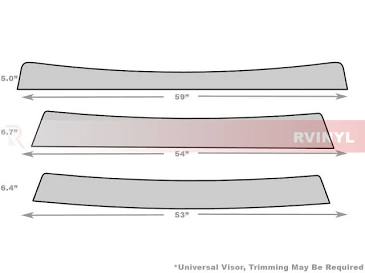
However, you are legally permitted to install a tinted sun strip across the top edge. In SA, this visor band can only extend down 10% of the windscreen’s total height, or it must stay above the highest point swept by your windscreen wipers. This is a brilliant way to block the blinding morning sun without restricting your road vision.
The Loophole: Commercial and Goods Carrying Vehicles
You might be wondering why you frequently see tradie vans driving around Adelaide with pitch-black rear windows. This is because the law treats “goods-carrying vehicles” entirely differently than standard passenger cars.
If your vehicle is officially registered as a commercial or goods-carrying vehicle - such as a panel van or a work utility - you are allowed to go completely dark on the rear windows.
- Front windows remain the same: The front driver and passenger windows must still adhere to the strict 35% VLT limit.
- Total rear blackout: The windows directly behind the driver can be tinted down to 0% VLT.
- Security benefits: This specific exemption exists to help local tradespeople secure expensive tools and equipment from prying eyes.
Be careful if you drive a large 4WD. Many owners mistakenly believe their family 4WD counts as a commercial vehicle. If it is registered for passenger use, you are still restricted to the 20% limit on the back windows.
Why Choosing the Legal Percentage for Window Tint Matters
Some drivers try to push their luck by requesting “limo tint” or a 5% VLT film all around their vehicle. While an ultra-dark car might look aggressive parked in your driveway, the real-world consequences of ignoring the legal percentage for window tint are severe.
Defect Notices and Hefty Fines
South Australian police actively carry portable electronic VLT meters. If you are pulled over on Hindley Street and your windows look suspiciously dark, they will test your glass instantly on the roadside.
- Yellow stickers: If your film fails the test, you will be issued a major defect notice, often called a yellow sticker.
- Immediate removal: You cannot legally drive the vehicle until the illegal tint is professionally stripped off and the car is cleared by an inspection station.
- Wasted money: You will have to pay a professional to remove the film, meaning you lose the money you spent and face a massive hassle.
Sticking to the rules ensures your car stays roadworthy and you avoid stressful encounters with highway patrol. You can read more about avoiding these fines in our breakdown of the legal limit tinted windows must follow.
Prioritising Night Visibility and Insurance
The legal limits exist entirely to keep you and your family safe. Driving through unlit, winding roads in the Adelaide Hills at night is already challenging. Attempting to navigate these roads with pitch-black windows is incredibly dangerous and virtually impossible.
Furthermore, if you are involved in a night-time accident, your insurance provider can legally deny your entire claim. If they determine that your illegally dark windows impaired your vision and contributed to the crash, you could be left paying a massive repair bill out of your own pocket.
Heat Rejection vs Darkness: The Ceramic Advantage
One of the biggest myths in the automotive world is that darker film automatically keeps your car cooler. Many people assume they need an illegal, pitch-black tint to survive the intense coastal humidity.
Thanks to modern nano-ceramic technology, this old way of thinking is completely false. You do not need to break the law to achieve world-class comfort.
- Infrared blocking technology: High-quality ceramic films use microscopic, non-conductive particles to actively reflect infrared solar heat before it enters the glass.
- Superior cooling: A fully legal 35% ceramic film will actually keep your cabin much cooler than a cheap, illegal 5% dyed film.
- Maximum UV defence: These premium films also block 99% of harmful UV rays, protecting your skin and stopping your interior leather from cracking.
Upgrading to a premium ceramic solution gives you incredible heat rejection while ensuring you stay fully compliant.
Professional Application Over Cheap DIY Kits
We completely understand the appeal of saving a few dollars by attempting a DIY tint job on the weekend. However, achieving a flawless, long-lasting finish on curved automotive glass requires an incredible amount of precision and clinical cleanliness.
Proper preparation and professional application are what guarantee the film looks fantastic and performs brilliantly for years.
- Deep glass cleaning: We meticulously strip away invisible oils, dust, and stubborn salt air residue from your interior glass.
- Precision heat shrinking: We carefully heat and mold the flat film to perfectly match the unique, complex curves of your specific car windows.
- Flawless, dust-free bonding: We use advanced slip solutions and expert squeegee techniques to apply the film flawlessly without trapping ugly air bubbles.
When you invest in professional ceramic coating and window protection, you are paying for expert craftsmanship that DIY kits simply cannot replicate.
Con clusion
Understanding car tint percentages does not have to be a frustrating or confusing experience. The rules in South Australia are clear: passenger vehicles must maintain a minimum of 35% VLT on the front side windows, while the rear half of the car can legally drop down to a darker 20% VLT.
By sticking to the exact car tint legal limit , you ensure your visibility remains safe for night driving through the hills, while avoiding costly police defect notices and insurance nightmares. Remember, modern ceramic technology means you do not need an illegal, pitch-black film to block out the harsh Adelaide summer heat. Ultimately, proper preparation and professional application are what make the tint last and perform flawlessly for the lifespan of your vehicle.
Are you ready to transform your daily drive with a perfectly legal, high-quality finish? Skip the confusing sales jargon and trust the honest local experts who respect your time. Visit our contact page today to receive your free, no-obligation quote from R1 Auto Adelaide - your trusted Mobile Window Tint and Ceramic Coating Specialists!