If you live in Brisbane, you know that summer driving can feel like sitting inside a convection oven. The steering wheel burns your hands, the air conditioning takes ten minutes to cool down the cabin, and your left arm feels like it’s being grilled by the sun.
Many drivers try to solve this by getting the darkest possible film, assuming that “darker equals cooler.” But that is a common myth. Real heat rejection comes from technology, not just shade.
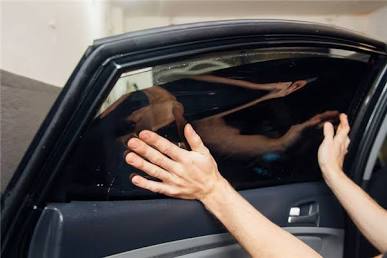
This is where ceramic window tint changes the game. Unlike the cheap, dyed films of the past, ceramic technology is engineered specifically to block the invisible infrared waves that cause heat buildup. But is it worth the extra investment? In this guide, we explore why ceramic is widely considered the superior choice for blocking infrared heat and UV rays, helping you decide if it is the right upgrade for your car this summer.
How Does Ceramic Window Tint Actually Work?
To understand why ceramic is different, we need to look at the science of solar energy. Sunlight hits your car in three forms:
- Visible Light: The glare you see.
- UV Rays: The radiation that damages your skin and fades your interior.
- Infrared Rays (IR): The invisible energy that you feel as heat.
Standard dyed films mainly block visible light - they act like sunglasses for your car. They make things look darker, but they don’t stop the infrared heat from passing through the glass and warming up your dashboard.
Ceramic window tint is different. It is infused with microscopic, non-conductive ceramic particles. These particles are designed to target and block up to 90% (or more) of those infrared rays. This means that even a lighter shade of ceramic film can block more heat than a pitch-black dyed tint.
Why It Is Considered the Best Car Window Tint for Brisbane
When customers ask us what the best car window tint is for Queensland conditions, we almost always point to ceramic. It isn’t just about the cooling factor; it is about longevity and clarity.
Here is why ceramic stands out in the Brisbane market:
- Superior Heat Rejection: By blocking infrared waves, ceramic film prevents heat from penetrating the glass. This keeps your cabin temperature significantly lower, reducing the strain on your air conditioning and improving fuel efficiency.
- No Signal Interference: Older “metallic” films were good at blocking heat, but they blocked phone and GPS signals too. Ceramic is non-metallic, meaning your Google Maps, Tag for the Gateway Bridge, and mobile reception work perfectly.
- Crystal Clear Visibility: Because ceramic relies on technology rather than just dark dye, it offers incredible clarity. You get excellent protection without needing to squint through foggy or overly dark windows at night.
Comparing Options: Ceramic vs. Carbon vs. Dyed
If you are shopping around, you will see different price points. Here is how ceramic stacks up against the other common options on the market.
- Dyed Film (Budget Option)
- Pros: Cheapest upfront cost, looks dark.
- Cons: Blocks very little heat, often fades to purple over time, can bubble after a few summers.
- Verdict: Good for aesthetics only.
- Carbon Film (Mid-Range)
- Pros: Better than dyed, won’t fade (colour stable), matte finish.
- Cons: Blocks only about 40% of infrared heat.
- Verdict: A solid choice, but not the strongest against Brisbane’s peak summer sun.
- Ceramic Film (Premium)
- Pros: Blocks 90%+ of infrared heat, superior UV protection (SPF 1000+), lifetime durability.
- Cons: Higher initial cost.
- Verdict: The best auto tint technology currently available.
Is It Worth the Investment?
We often get asked, “Is the extra cost for ceramic actually worth it?”
Think about how much time you spend in your car. Whether you are commuting daily on the M1, stuck in traffic on Gympie Road, or parking in an open lot at work, that heat exposure adds up.
While ceramic film costs more upfront than standard film, it pays for itself in comfort and durability. Standard films often need replacing after 3-5 years due to bubbling or fading (the dreaded “purple window” look). High-quality ceramic films are designed to last the lifetime of the vehicle.
If you are looking for the best auto tint to protect your interior from cracking and keep your family cool, ceramic is the clear winner. It essentially turns your windows into a heat shield, making your drive safer and far more comfortable.
Conclusion
At R1 Auto , we believe in using products that actually work. While standard films have their place, nothing beats the performance of ceramic when you are dealing with a 35°C Brisbane day.
If you are ready to stop the heat and upgrade to the best car window tint on the market, we are here to help. Our mobile technicians can bring professional-grade ceramic protection directly to your home or office, saving you time while saving your car from the sun.
Ready to feel the difference? Don’t settle for “just dark” windows. Get real heat protection. Contact R1 Auto today for a quote on our premium ceramic window tinting packages.