Cruising down the David Low Way or heading up to Noosa for the weekend, you will see plenty of modified cars. However, Queensland police and Transport Inspectors are increasingly cracking down on vehicle defects, and illegal window tint is one of the easiest targets for them to spot.
There is a lot of confusion on the Sunshine Coast about what is actually allowed. Can you have “limo tint” on the back? What about the strip on the windscreen? If you browse car forums, you will find conflicting advice.
If you are looking for clarity on window tint laws QLD , you need facts, not “pub talk.”
At R1 Auto Sunshine Coast , we don’t just apply film; we ensure your vehicle is roadworthy and safe. Driving with illegal tint doesn’t just risk a fine - it can void your insurance and compromise your night vision. In this guide, we break down the specific legal limits for 2026 so you can enjoy the Coast sun without worrying about a defect notice.
Understanding VLT: The Metric That Matters
To navigate auto tinting laws , you first need to understand the metric used by police: VLT (Visible Light Transmission).
- VLT % refers to the amount of light that passes through the glass.
- 35% VLT means 35% of light gets through (Standard Legal).
- 5% VLT means only 5% of light gets through (Limo Tint/Illegal on front windows).
The “Net VLT” Trap Here is where most people get caught out. The law applies to the combined level of the glass plus the film. Most factory car glass is not perfectly clear; it usually has a slight tint of around 70-75% VLT. If you stick a 35% film on top of 75% glass, the combined result drops below 35%, making it illegal.
We use calibrated light meters to test your factory glass before we start, ensuring the final result sits perfectly within the legal tint QLD limits.
The Rules: Passenger Vehicles (Sedans, Wagons, SUVs)
For the vast majority of cars on Sunshine Coast roads - from the family SUV doing the school run in Buderim to the hatchback parked at Mooloolaba - these are the rules you must follow.
1. Front Windscreen
- The Law: You cannot tint the main viewing area of the windscreen.
- The Exception: You are allowed a tinted band (glare strip) across the very top. This strip must not extend below the top 10% of the windscreen area or encroach on the sweep of the wipers (whichever is higher).
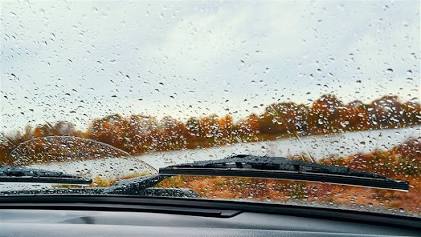
- Why: This ensures clear vision at night and during our heavy tropical downpours.
2. Front Side Windows (Driver & Passenger)
- The Limit: Must not be darker than 35% VLT.
- Why: This is non-negotiable. It allows other drivers to see you at roundabouts and ensures emergency services can see inside the vehicle if you are involved in an accident.
3. Rear Side Windows & Rear Screen
- The Limit: Must not be darker than 20% VLT .
- Condition: This applies only if the vehicle is fitted with an external rear-view mirror on each side (which virtually all modern cars have).
- The Benefit: This allows you to have darker privacy glass on the rear for kids or security, while keeping the front legal.
The Rules: Commercial Vehicles (Utes, Vans, Trucks)
If you are a tradie driving a Hilux or a delivery van in Maroochydore, the rules for “Goods Carrying Vehicles” (Classification NA/NB) offer slightly more flexibility for the rear.
- Front Side Windows: Still limited to 35% VLT .
- Rear Windows (Behind the driver): Can be 0% VLT (fully blocked).
This allows tradespeople to completely block out the rear windows of a van or canopy to secure expensive tools and equipment from prying eyes.
Why “Darker” Isn’t Always “Cooler”
A common myth we hear at our Sunshine Coast studio is: “I need 5% tint because it’s hot.”
This is incorrect. The darkness of the tint (the dye) is for privacy. The heat rejection comes from the technology inside the film.
- Old Tech: A cheap 5% dyed film stops light but lets heat through.
- New Tech: A premium 35% Ceramic Tint stops less light (so it’s legal) but blocks up to 90% of Infrared heat.
You can have a legal, compliant car that is significantly cooler than an illegal car with cheap tint.
The Risks of Non-Compliance
Driving with illegal tint on the Bruce Highway or Nicklin Way is a gamble that isn’t worth taking.
1. The Defect Notice (The Canary)
If pulled over, police can test your windows instantly. If you fail, you receive a defect notice and a fine. You must then pay to strip the tint, get the defect cleared, and pay again to re-tint the car.
2. Insurance Voidance
This is the most serious consequence. If you are in a collision - especially at night or in the rain - and the insurance assessor deems your illegal tint contributed to poor visibility, they can deny your claim. You could be left liable for thousands of dollars in damages.
3. Night Vision
The Sunshine Coast has many unlit roads in the hinterland. trying to reverse or navigate a dark driveway with 5% tint is dangerous and stressful.
Conclusion: Stay Legal, Stay Cool
There is no need to break the law to beat the heat. Modern ceramic films offer incredible performance while staying 100% compliant with window tint laws QLD.
Don’t risk a fine or your insurance policy for the sake of looks. Stick to the 35% Front / 20% Rear standard, and invest in high-quality film rather than dark dye.
Ready to Tint Your Car the Right Way?
Get a quote from the team that knows the regulations inside out. We verify your glass and install premium films that keep you legal and comfortable.
Contact R1 Auto Sunshine Coast today for a free, no-obligation quote.
Visit our window tinting services page to explore our legal ceramic and carbon options.