Trying to get a straight answer on window tinting costs can feel frustrating. When you search online, you see everything from $40 DIY kits at the local auto parts store to $150 backyard cash specials, right up to $800+ professional studio quotes.
Living on the Sunshine Coast means your car is constantly exposed to extreme weather. Whether you are parking near the surf at Coolum Beach, cruising down the Bruce Highway, or battling intense local sun, salt air, and coastal humidity, your interior takes a heavy beating.
Understanding auto tint prices in 2026 comes down to knowing exactly what you are paying for beneath the surface. In this transparent, honest guide, we break down the real factors that determine your quote so you can avoid costly mistakes and choose the right protection for your vehicle.
Why Cheap DIY Kits and Cash Jobs Cost More Long-Term
When trying to save a few dollars, grabbing a pre-cut DIY roll or booking the cheapest operator on social media is very tempting. Unfortunately, budget tinting is the classic example of paying twice.
Cheap films rely on low-grade dyes that break down rapidly under the harsh Queensland sun. Within a year or two, the film fades to an ugly purple colour, bubbles up, and starts peeling off the glass.
When that cheap film fails, you cannot just stick new tint over the top. You have to pay a professional to spend hours steaming and scraping off the toxic, baked-on glue before starting fresh. If you want a realistic baseline of what quality work costs upfront, reading our breakdown on how much does car tint cost explains why investing in proper materials saves money over the life of your car.
The 4 Main Factors That Determine Auto Tint Prices
When you compare window tinting near me prices, several practical variables dictate the final figure on your quote. Professional installers calculate costs based on materials, labour time, and vehicle complexity.
1. Film Technology: Dyed vs. Carbon vs. Ceramic
The biggest driver of your final car tint price is the type of film technology you choose. At R1 Auto Sunshine Coast, we exclusively use TintForce films because they are engineered to survive harsh Australian UV conditions without fading.
- Standard Dyed Film: The cheapest option on the market. It darkens the glass for basic privacy, but it absorbs heat rather than rejecting it and wears out quickly.
- Carbon Window Film: A solid mid-range performer. Infused with real carbon particles, it delivers a sleek matte black finish that never turns purple and offers good heat reduction.
- Nano-Ceramic Film: The absolute gold standard in automotive tinting. Using microscopic, non-conductive ceramic particles, it blocks up to 90% of infrared heat and 99% of UV rays while keeping night vision crystal clear and causing zero interference with your phone or GPS.
Exploring professional window tinting options helps you match the exact film grade to your daily driving habits and comfort expectations.
2. Vehicle Size and Window Curvature
A compact two-door hatchback requires far less film and labour than a large seven-seat family SUV or dual-cab ute. More windows simply mean more material and more time on the tools.
Window shape also plays a major role. Modern sedans and coupes often feature steep, heavily curved rear windscreens. Shaping a flat sheet of film to hug a curved rear window without creasing requires advanced heat-shrinking skills and extra installation time.
3. Old Tint Removal
If you have bought a second-hand car with bubbling, scratched, or illegally dark tint already on the glass, it must be completely removed first.
Stripping old tint—especially on rear windscreens with delicate demister heater lines—is slow, meticulous work. Depending on how badly the old glue has baked onto the glass, removal typically adds $100 to $250 to the total job.
4. Warranty Coverage and Peace of Mind
Reputable installers back their work with a comprehensive, nationwide lifetime warranty covering bubbling, peeling, cracking, and colour change. Part of your investment goes toward knowing that if an issue ever arises down the track, a legitimate business will fix it without hassle.
Realistic 2026 Price Ranges by Vehicle Type
While every vehicle is slightly different, having clear ballpark figures helps you spot both overpriced dealership upsells and suspiciously cheap cash jobs. Looking at current auto window tinting prices across the region gives you a reliable guide for what to expect.
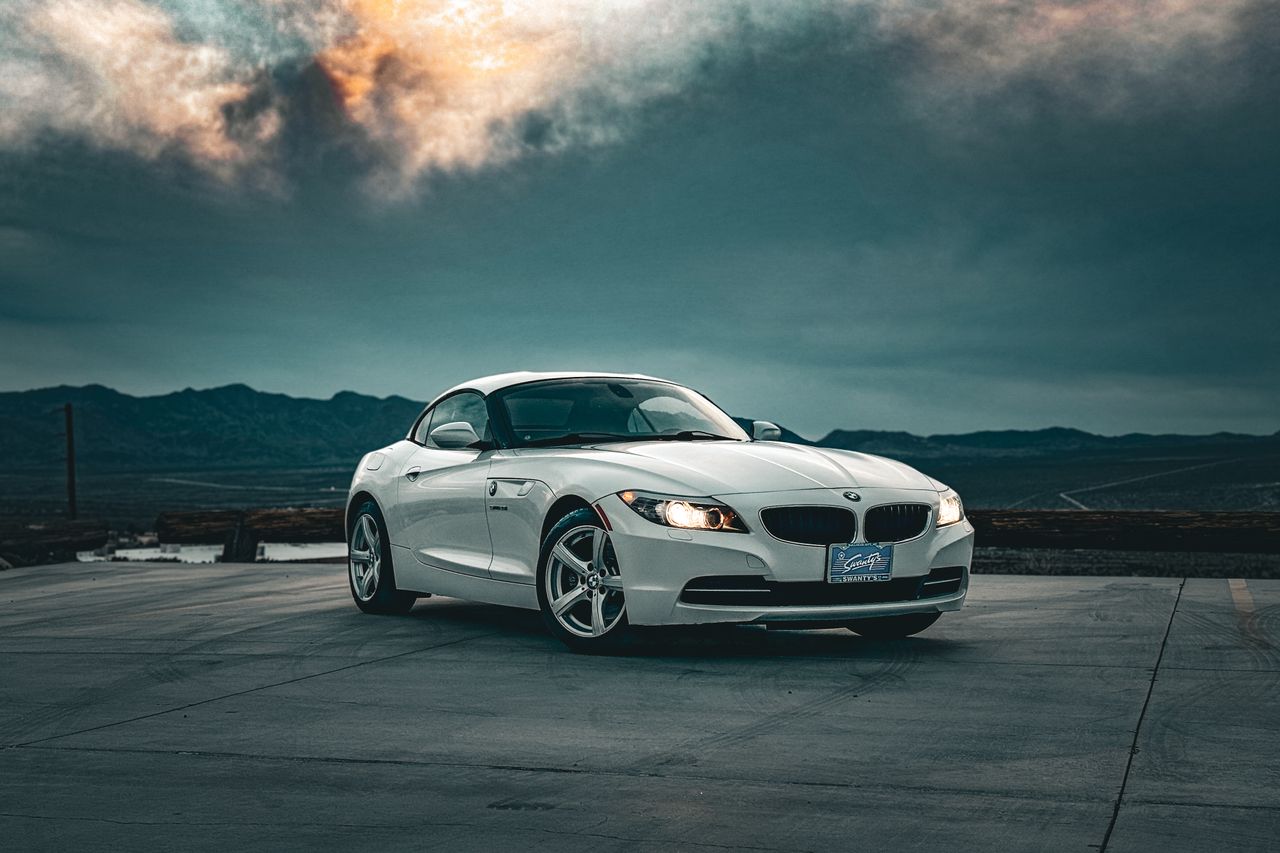
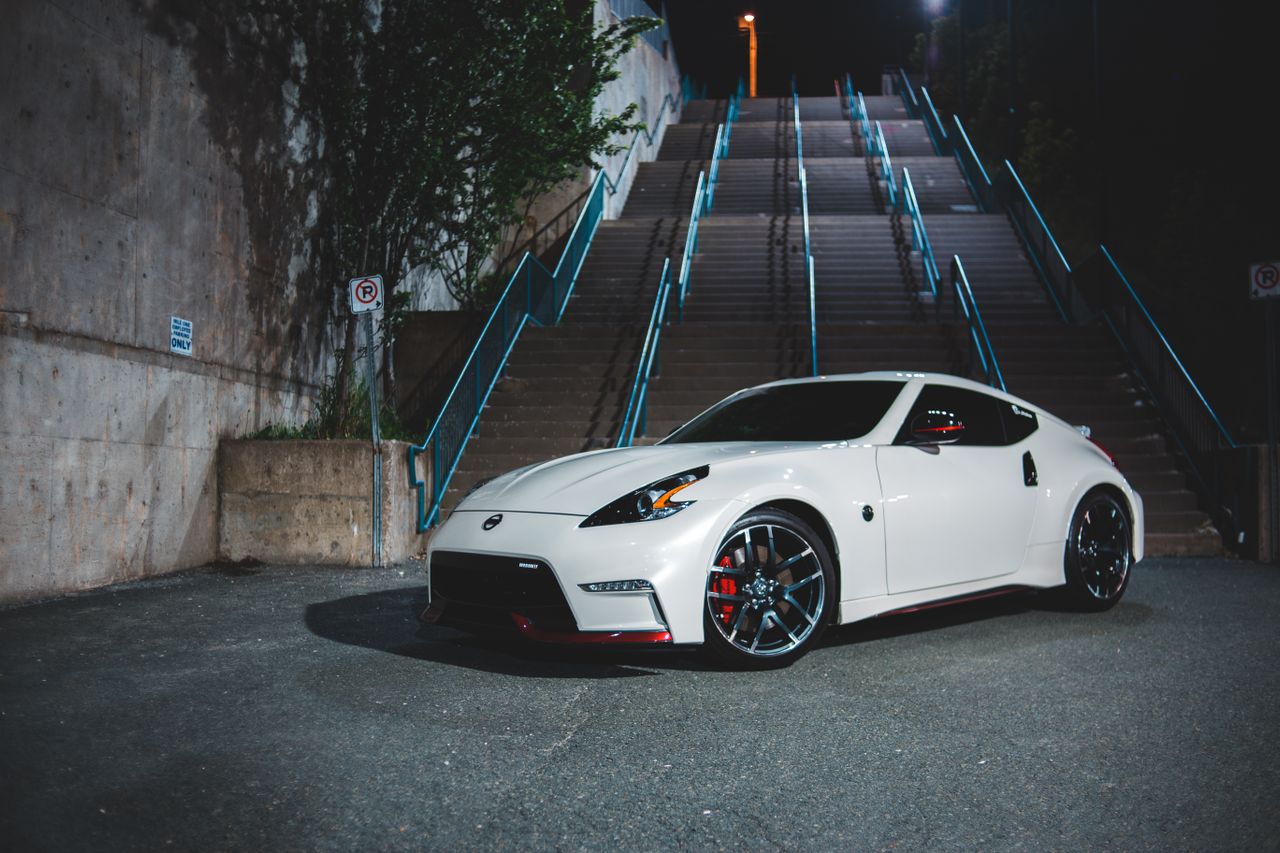
- Small Hatchbacks & Coupes: Expect to pay roughly $350 to $450 for quality carbon film, or $500 to $650 for premium nano-ceramic film.
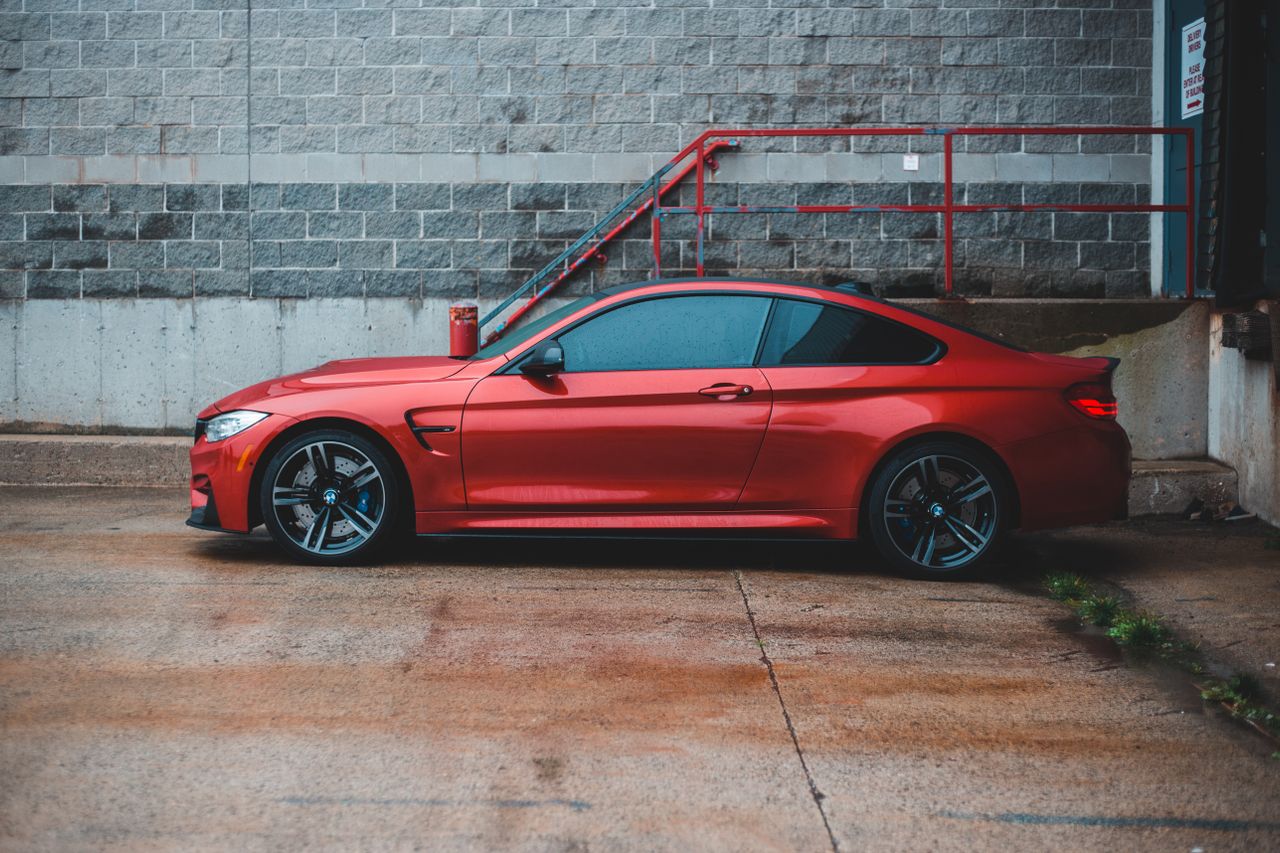
- Medium Sedans & Wagons: Typically range from $400 to $500 for carbon, and $550 to $700 for full ceramic heat protection.
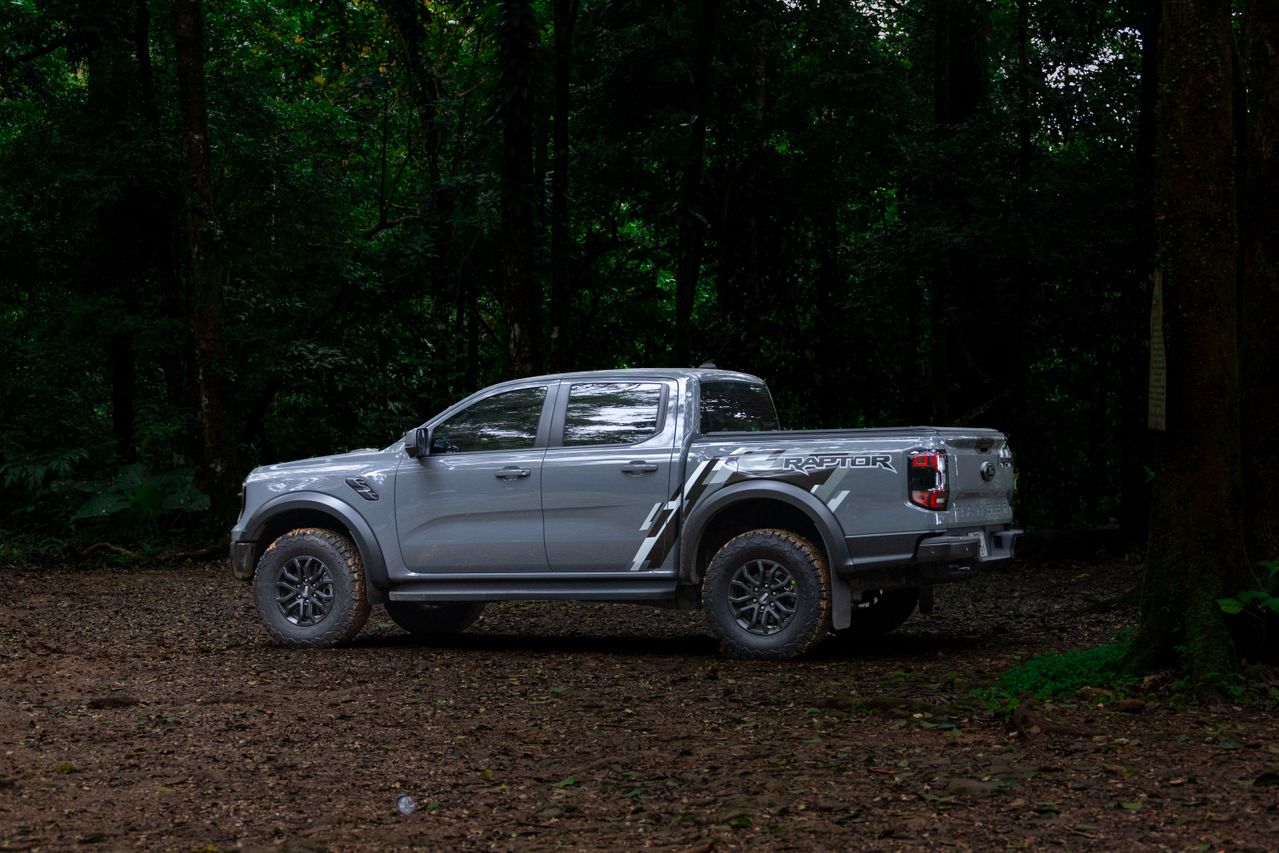
- Large SUVs & 4WDs: Depending on whether you are tinting over factory rear privacy glass or doing a full vehicle wrap, expect $450 to $550 for carbon, or $600 to $800+ for top-tier ceramic.
If you are looking for genuine value without sacrificing material quality, checking our affordable tint prices shows how transparent, upfront quoting works without hidden workshop fees.
Why Professional Preparation Makes All the Difference
You can buy the best ceramic film in the world, but if the glass is not prepped properly, dust and bubbles will ruin the finish. Professional tinting is a clean, methodical process that takes several hours to get right.
- Deep Glass Scrubbing: Every window is thoroughly washed and scraped with specialised blades to remove invisible tree sap, overspray, and grease.
- Precision Heat Shrinking: The film is custom-shaped on the outside of the glass using a calibrated heat gun so it conforms perfectly to the window curve.
- Dust-Free Application: Using specialised slip solutions and precision squeegees, the film is laid onto the interior glass with micro-edge gaps that look completely factory-fitted.
Mobile Convenience: Workshop Quality in Your Driveway
Your free time on the weekend is valuable, and dropping your car off at a workshop for half a day is a major hassle. Comparing car tinting prices should also factor in the convenience of how the service is delivered.
With a mobile service, our specialists come directly to your home or workplace. As long as you have a clean, fully enclosed double garage to keep coastal wind and dust away from the wet film, you get the exact same flawless, studio-grade finish right in your own driveway.
Complete Vehicle Protection with GTECHNIQ
While TintForce window films stop harsh UV rays and infrared heat from cracking your dashboard and fading your leather seats, the exterior of your car faces the exact same brutal coastal elements every day.
Salty ocean air, intense Queensland sun, and acidic bird droppings quickly oxidise unprotected paintwork. Pairing your window tint with a professional GTECHNIQ ceramic coating gives your car total bumper-to-bumper protection.
After a thorough decontamination wash and machine paint correction to remove swirl marks, GTECHNIQ bonds chemically with your clear coat. It forms a hard, glass-like shield that repels water, dirt, and salt for years, making washing your car fast and effortless. You can explore all our mobile services over at R1 Auto Sunshine Coast to see how easy it is to protect your vehicle inside and out.
Conclusion & Next Steps
To sum it up, auto tint prices in 2026 reflect the quality of the film technology, the size and shape of your glass, and the skill required to install it cleanly. While cheap DIY kits and budget cash jobs look tempting upfront, only genuine nano-ceramic film delivers lasting heat rejection, 99% UV protection, and crystal-clear visibility during the summer holidays.
Ultimately, proper preparation and professional application are what make your window tint and ceramic coating last for the life of your vehicle. Taking the time to choose quality materials today saves you from peeling film, voided warranties, and costly removal bills tomorrow.
Ready to keep your cabin icy cool and protect your interior without ever leaving your driveway? Get a free, no-obligation quote from R1 Auto Sunshine Coast. (The Mobile Window Tint and Ceramic Coating Specialists).