It is incredibly tempting to jump online and buy a cheap DIY window film kit to save a few dollars upfront. However, achieving a flawless, bubble-free finish is much harder than those quick online tutorial videos make it look.
The local Sunshine Coast lifestyle means we spend a massive amount of time in our vehicles, whether commuting for work or packing up for the summer holidays. With the intense heat, applying a 20 tint on car windows has become one of the most popular choices for achieving a sleek, blacked-out VIP look.
But is it the right choice for your daily driver? In this comprehensive guide, we will explore the benefits and drawbacks of this specific darkness level to help you make an informed decision without any high-pressure sales tactics.
Understanding Visible Light Transmission (VLT)
Before diving into the specifics of a 20 tint on windows , it is essential to understand how tint darkness is actually measured in the automotive industry. The darkness of an automotive film is calculated using its Visible Light Transmission (VLT) percentage.
This simple number dictates exactly how much visible light is allowed to pass through the glass and into your cabin. A lower percentage means a significantly darker film that blocks more light.
Therefore, a 20% VLT film actively blocks out 80% of visible light, offering a very dark and aggressive aesthetic. When exploring various vehicle tint shades , understanding this basic metric is your very first step toward making an informed, practical decision.
The Appeal of Ultimate Privacy and Styling
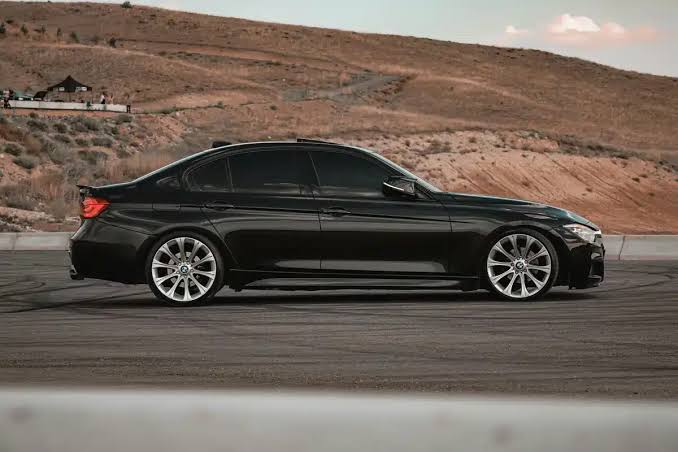
For many drivers on the coast, the primary appeal of a 20% film is the immediate, dramatic upgrade in vehicle privacy. This level of darkness makes it incredibly difficult for people on the outside to see into the back of your vehicle.
It is absolutely perfect for hiding expensive tools, protecting personal valuables, or keeping glaring sunlight completely out of the eyes of young children in the back seat. Furthermore, this rich, dark colour completely transforms the look of your vehicle.
It provides a premium, sophisticated edge that lighter factory shades simply cannot match. If you want your vehicle to stand out while keeping your passengers completely concealed, this dark shade is highly effective.
Balancing Nighttime Visibility and Safety
While the dark, aggressive aesthetic is highly desirable, it is vital to consider how a 20 tint on windows impacts your driving experience after the sun goes down. Because the film blocks 80% of incoming light, your outward visibility at night will be noticeably reduced.
If you frequently drive down poorly lit country roads in the hinterland or navigate tight, unlit parking structures, this is a crucial factor to keep in mind. You will need to rely much more heavily on your reversing cameras and side mirrors to ensure safe manoeuvring in the dark.
For drivers with existing vision issues at night, going this dark might cause unnecessary strain. It is always important to balance aggressive styling with your daily driving safety.
Combating the Harsh Sunshine Coast Climate
Driving around our beautiful coastal region means dealing with intense environmental stressors on a daily basis. Whether you are parked up for the day near Noosa Heads or cruising the Bruce Highway down towards the M1 and Caloundra, your vehicle takes a severe beating.
The combination of intense solar radiation, scorching summer days, and the harsh effects of Sunshine Coast salt air puts immense strain on standard vehicle interiors. Constant exposure to these coastal conditions causes leather seats to crack and dashboard plastics to warp.
The extreme UV exposure also rapidly degrades the rubber compounds in your window seals and tyres. To combat this unforgiving coastal humidity and heat, you need a high-quality protective barrier that acts as permanent sunscreen for your cabin.
Why Ceramic Technology is Superior
To truly survive the local climate, you need to look beyond cheap, dyed films that simply turn purple and blister after a single summer. When searching for the best window tint for cars , modern nano-ceramic technology is the absolute gold standard.
Unlike older metallic films that use a thin aluminium layer and disrupt your GPS signals, ceramic films use microscopic, non-conductive nanoparticles. These advanced films reject massive amounts of infrared heat without relying on cheap, degradable dyes.
They actively block up to 99% of harmful UV rays while keeping your cabin drastically cooler even on a 35-degree day. This dramatic heat reduction also eases the heavy strain on your vehicle’s air conditioning system, which can help improve your overall fuel efficiency.
Navigating Queensland Tinting Laws
When selecting your ideal darkness, staying within the legal limits is absolutely essential to avoid hefty fines and costly defect notices. In Queensland, the law strictly dictates specific VLT minimums for different windows on your passenger vehicle.
You cannot simply apply a 20% film to every single piece of glass on your car. The front side windows next to the driver and front passenger must have a minimum VLT of 35% to ensure safe visibility at intersections.
However, the regulations are much more accommodating for the rear of your vehicle. Passenger vehicles can legally apply a 20% VLT film on all side and back windows positioned behind the driver’s seat.
If you are unsure about what is legally permitted on your specific vehicle classification, we highly recommend reading our detailed guide on the legal window tint qld regulations. An honest, professional installer will always ensure your vehicle remains 100% compliant with state laws.
The Crucial Role of Meticulous Preparation
Whether you are investing in a simple sun strip, high-quality paint protection, or a full ceramic coating, the secret to a permanent bond always lies in the preparation. Just like the meticulous paint correction process required before applying a ceramic coating, preparing automotive glass is an exact science.
Many car owners try to take matters into their own hands, applying cheap films in their open driveways while fighting the coastal sea breeze. Unfortunately, this almost always guarantees failure, as a single speck of dust or sand will completely ruin the adhesion.
To achieve a flawless, factory-finish result, the installation must be performed in a highly controlled environment. This is why a reputable mobile auto tint specialist will insist on using a clean, enclosed double garage to perform the work.
The Professional Installation Process
Our expert installation process ensures a permanent bond without any unsightly bubbles or creases. Here is exactly what goes into a top-tier application when we work in your enclosed garage:
- Deep Glass Cleaning: The windows are thoroughly stripped of all oils, fingerprints, and microscopic debris using specialised automotive cleaners.
- Intense Decontamination: We carefully scrape and clay bar the glass to remove embedded contaminants, stubborn tree sap, and hard water spots.
- Precision Custom Cutting: The premium film is meticulously hand-shaped to perfectly match the exact contours and edges of your specific windows.
- Professional Heat Shrinking: Using industrial heat guns, the film is carefully moulded to lay seamlessly against the curved shape of the glass.
- Expert Squeegee Application: Specialised extraction tools are used to push out all mounting solution and trapped air, ensuring a permanent, flat bond.
Conclusion
Skipping even one of these crucial preparation steps will result in a compromised installation that blisters and peels prematurely. In the end, meticulous preparation and professional application are what make the coating and the window film truly last in our harsh local climate.
Settling for a cheap DIY dye kit is simply a recipe for bubbling windows and a sweltering cabin. Upgrading to a professional ceramic film ensures you receive top-tier UV protection, exceptional heat rejection, and a flawless finish that stands the test of time.
Ready to protect your vehicle with a premium, long-lasting finish? Visit R1 Auto Sunshine Coast to explore our comprehensive automotive services, including premium window tinting . Get in touch with R1 Auto Sunshine Coast (The Mobile Window Tint and Ceramic Coating Specialists) today through our Contact us page for a free, no-obligation quote and experience true professional quality!