When the blistering Queensland heat arrives, the temptation to grab a cheap DIY film kit from the local auto parts store is incredibly strong. However, sticking budget plastic to your windows in the driveway almost always ends in a bubbling, peeling disaster that ruins your outward visibility. If you want genuine protection without unsightly purple fading, understanding what a 20 window tint offers is the smartest first step you can take.
Living the active Sunshine Coast lifestyle means your car takes a relentless daily beating from the elements. Whether you are parking near the salty air of Mooloolaba Beach, cruising down the Bruce Highway, or spending sunny afternoons at Noosa Heads, your cabin quickly turns into an oven. You need honest, straightforward advice on how to keep your family cool without falling for confusing industry jargon or high-pressure sales tactics.
In this comprehensive guide, we explain exactly what a 20 percent film looks like from inside and outside your car. We will look at how it compares to lighter and darker vehicle tint shades , how it handles intense coastal humidity, and where it fits within Queensland road laws. By understanding the clear pros and cons upfront, you can decide if this popular shade is the right investment for your vehicle.
What Exactly Does the Percentage Number Mean?
Before choosing a film, it helps to understand how mechanics and highway patrol officers measure window darkness. The automotive industry uses a measurement called Visible Light Transmittance, or VLT for short. This simple percentage tells you exactly how much ambient light successfully passes through the glass and enters your cabin.
A completely clear piece of standard factory glass sits around 70% to 80% VLT, allowing almost all daylight inside. On the opposite end of the scale, a 0% VLT rating means the window is solid black and completely see-through from neither side. Therefore, a lower percentage number always means a darker, more private film.
When you install a 20% film, exactly 20% of the outside light is allowed into your vehicle, while the remaining 80% is blocked. This specific mathematical balance makes it one of the most popular choices for the rear passenger windows of modern family SUVs and dual-cab utes.
What Does a 20 Window Tint Look Like Inside and Out?
Many vehicle owners worry that installing a dark film will make their car look overly aggressive or make driving at night impossible. In reality, a high-quality 20 percent film offers a clean, sophisticated balance between exterior privacy and clear interior vision.
Exterior Appearance: Sleek, Charcoal Privacy
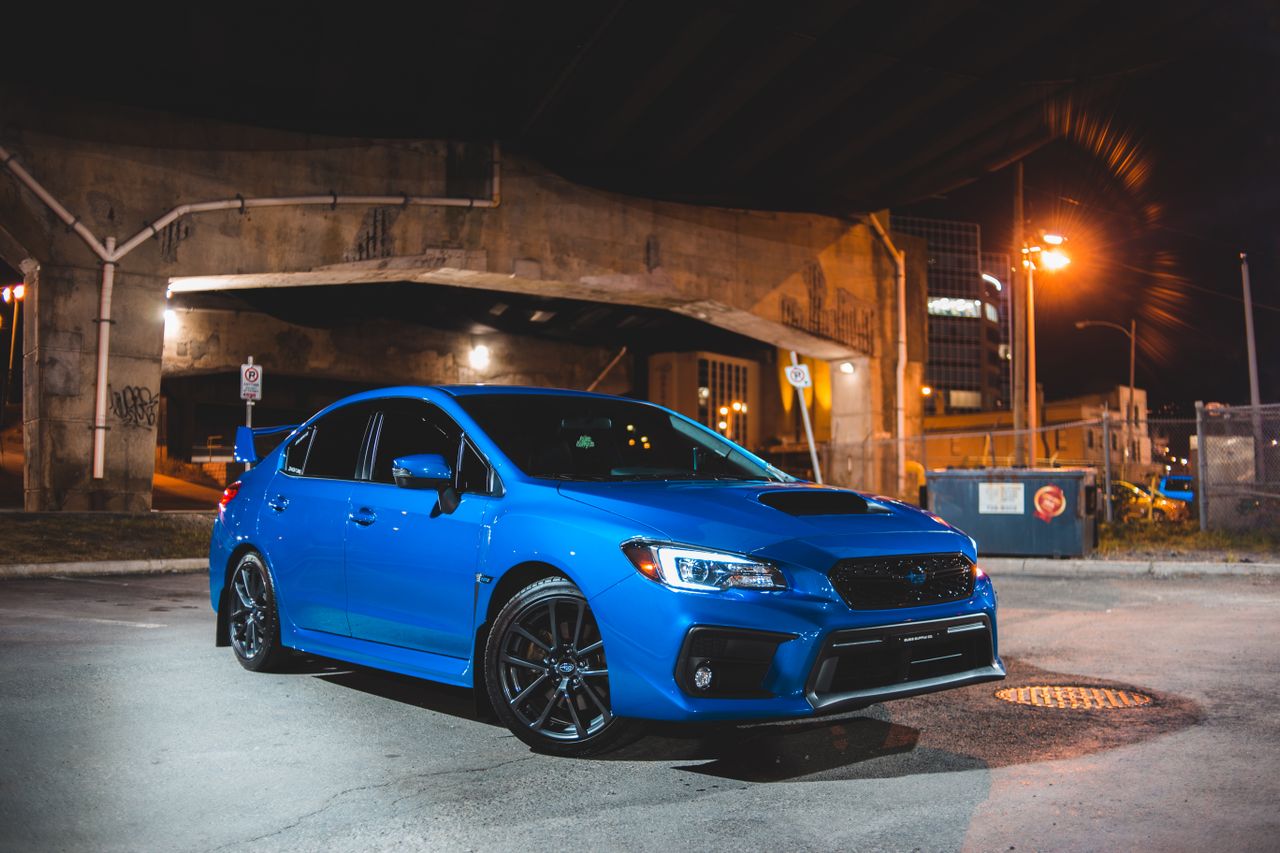
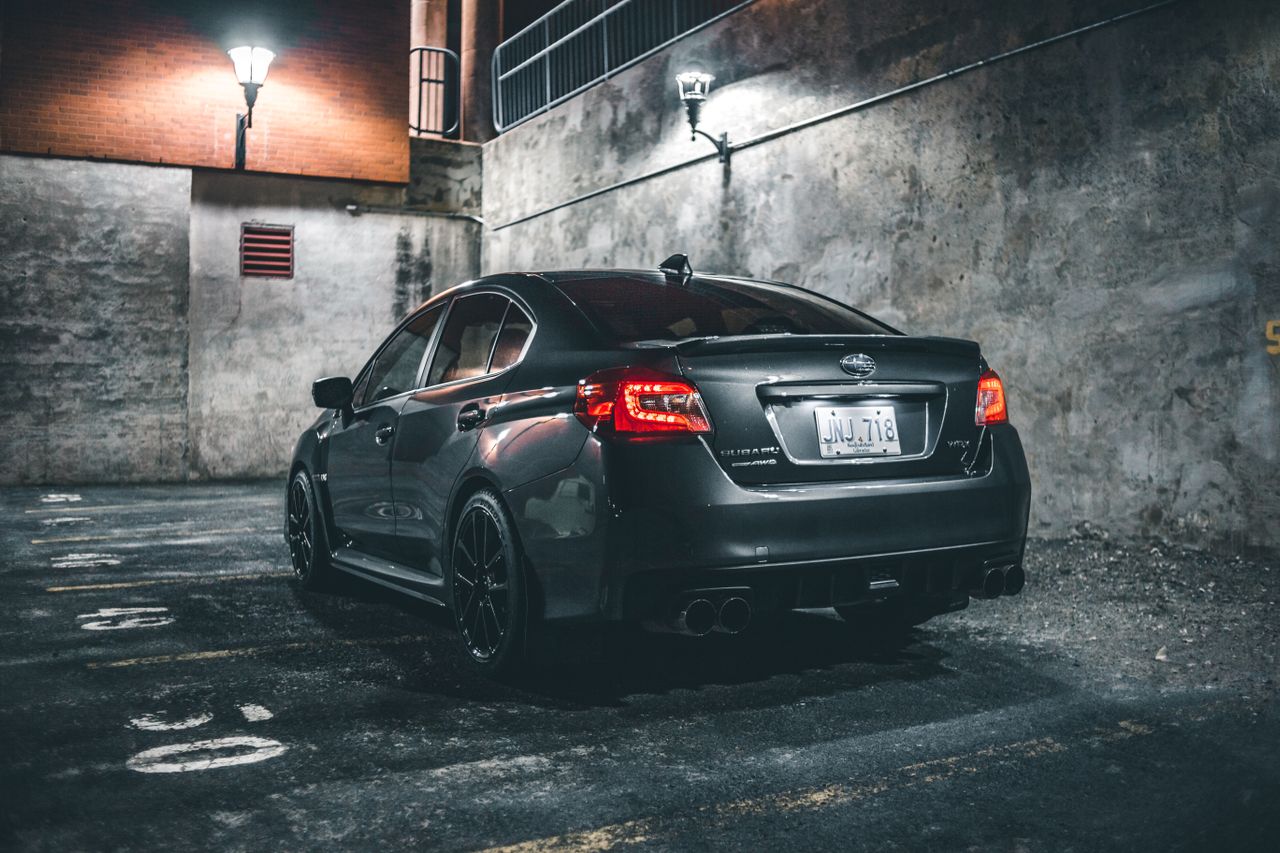
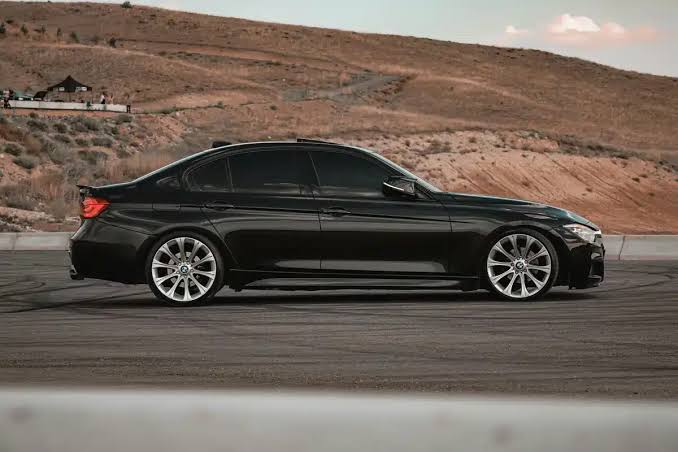
From the outside looking in on a bright Queensland afternoon, a 20% film provides a rich, dark charcoal aesthetic. It gives your vehicle a clean, uniform finish that instantly elevates the look of both family cars and work vehicles.
While it is not pitch-black like an illegal limousine tint, people walking past cannot easily see inside your cabin. If someone stands close to the glass and cups their hands, they will only be able to make out vague silhouettes. This makes it an excellent deterrent for keeping tools, shopping bags, and luggage safely hidden from prying eyes.
Interior Visibility: Clear Views Day and Night
The most important question for safety-conscious drivers is how clearly they can see out through the glass. During the day, looking out through a premium 20 percent film feels crisp, comfortable, and natural. It acts exactly like a pair of high-end sunglasses for your car, cutting down harsh glare without darkening your view of the road.
At night or when reversing into a dimly lit underground garage, you will notice the glass is darker than clear factory windows. However, high-grade films maintain exceptional optical clarity, allowing you to safely spot cyclists, pedestrians, and gutters. You get incredible daytime privacy without feeling trapped in a dark, gloomy cabin after sunset.
Is a 20% Shade Legal in Queensland?
Aside from aesthetics and comfort, making sure your vehicle remains roadworthy and legally compliant is absolutely essential. The Queensland Department of Transport and Main Roads (TMR) enforces strict rules regarding how dark your windows can be. These laws exist entirely to protect your night-time driving vision and to ensure emergency responders can see inside the vehicle when necessary.
Under Queensland road rules, you cannot apply the same darkness percentage across every single window of a standard passenger car. The law separates the front driver doors from the rear passenger area:
- Front Windscreen: No aftermarket tint film is allowed across the main viewing area. Only a tinted visor strip along the top 10% of the windscreen is permitted.
- Front Side Windows (Driver and Passenger): The absolute darkest legal limit is set firmly at 35% VLT. You cannot legally apply a 20% film to your front doors under any circumstances.
- Rear Passenger Windows and Back Windscreen: For windows behind the driver’s seat, Queensland law allows you to go down to a darker 20% VLT.
By pairing a compliant 35% film on your front doors with a darker car tint 20 shade on the rear glass, your car stays 100% legal. This combination is standard across Queensland, keeping your children comfortable in the back while ensuring your side mirrors remain crystal clear at night. To learn more about styling your rear glass safely, read our detailed guide on applying a 20 tint on car windows.
How Does a 20% Film Perform in Queensland Weather?
Surviving an Australian summer requires more than just dark glass; it requires film engineered to reject radiant solar energy. Old-fashioned dyed films relied entirely on a dark colour to create shade, but they absorbed heat like a sponge and radiated it directly onto your dashboard. Modern nano-ceramic technology works in a completely different way to keep your cabin comfortable.
Blocking Invisible Solar Heat
Premium ceramic films are packed with billions of microscopic particles that bounce heat away from the glass before it enters the car. Rather than trapping warmth, a high-grade 20% ceramic film actively rejects up to 88% of infrared heat. This allows your air conditioning to cool the cabin down in minutes, even after the car has been parked in the direct sun all day.
Total UV Defence and Signal Clarity
The coastal sun is notorious for bleaching leather upholstery and cracking plastic dashboard trims over time. A professional film acts as a permanent sunscreen, physically blocking 99.9% of damaging ultraviolet (UV) rays to protect your family’s skin and your interior materials.
Furthermore, premium ceramic films contain absolutely zero metallic aluminium layers. This means your GPS navigation, toll tags, and mobile phone signals will never drop out while you are exploring the coast during the summer holidays .
Comparing 20% Against Lighter and Darker Vehicle Tint Shades
To help you decide if 20 percent is the sweet spot for your needs, it helps to compare it directly against other popular vehicle tint shades . Every percentage offers a different trade-off between heat rejection, visual privacy, and night-time driving ease.
The Importance of Proper Preparation and Professional Application
Even the highest-quality window film will fail quickly if it is installed over dirty glass or applied in a dusty environment. Cheap wash-and-tint cafes often rush cars through open bays, allowing coastal wind and sand to get trapped under the film. Once grit is sealed beneath the plastic, permanent bubbles form that cannot be repaired without stripping the window bare.
Professional technicians follow a meticulous, step-by-step preparation routine to guarantee a flawless, edge-to-edge finish that lasts for years:
- Deep Glass Decontamination: We scrub and scrape the inside of the glass to remove invisible oils, salt residue, and old adhesive.
- Precision Hand-Cutting: The film is carefully measured and trimmed slightly larger than your window frame to eliminate unsightly light gaps.
- Advanced Heat-Shrinking: We use an industrial heat gun to shrink the film so it perfectly mirrors the compound curves of your specific windows.
- Sterile Application: The film is applied using clean mounting fluids, pushing out all moisture for a smooth, bubble-free bond.
Whether you are restoring your cabin or scrubbing road grime off your tyres after a long road trip, quality preparation is what preserves your car’s resale value. You can explore our full range of high-performance film options by visiting our main window tinting service page.
Conclusion: Make a Smart, Lasting Investment
Choosing a 20 percent window tint for the rear of your vehicle is one of the smartest upgrades you can make for Queensland driving. It provides excellent privacy for your passengers, cuts down blinding glare, and adds a sleek charcoal aesthetic while remaining completely legal on rear glass.
Ultimately, proper preparation and professional application are what make the coating and tint last for the entire lifespan of your vehicle. Do not settle for bubbling, purple DIY kits or inexperienced installers who are willing to apply illegal films just to make a quick sale.
If you are ready for a flawless, workshop-quality finish with zero high-pressure sales tricks, we are here to help. Reach out today to secure a free, no-obligation quote from R1 Auto Sunshine Coast. (The Mobile Window Tint and Ceramic Coating Specialists).