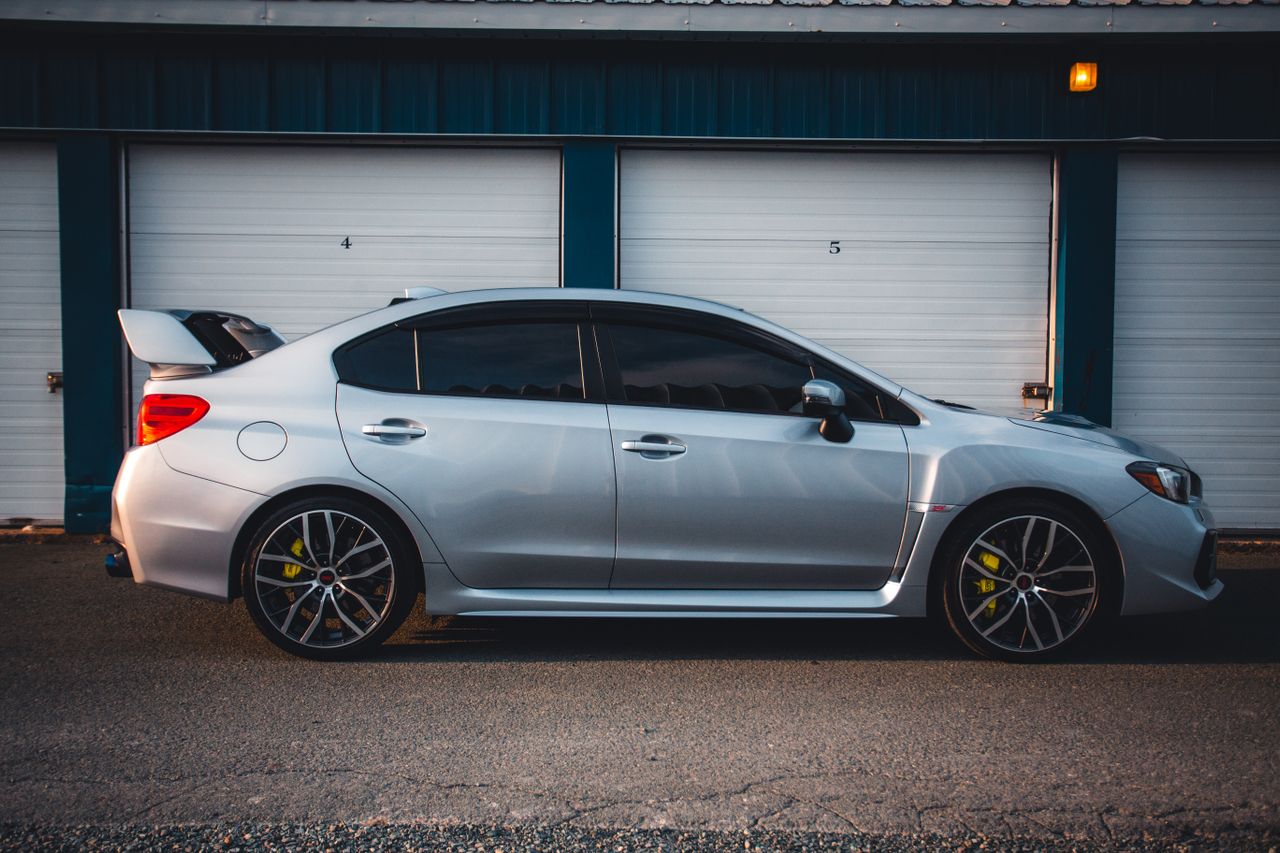
It is the most common question we get at our Gold Coast workshop. You have just bought a new car, maybe a Ranger for the weekend beach runs or a Tesla for the daily commute, and the dealership is trying to sell you a “diamond-hard” coating that makes your car bulletproof.
You start Googling terms like “9H hardness” and “graphene armour,” and suddenly you are led to believe that a liquid coating can stop a rock chip at 100km/h on the M1.
Let’s be clear right now: No liquid coating can defy physics.
Will a ceramic coating protect your door from a runaway shopping trolley at Pacific Fair? No. Will it stop a key scratch from a vandal? No.
So, does ceramic coating stop scratches at all? The answer is nuanced. While it won’t stop heavy impact damage, it is the most effective defence against the “swirl marks” and chemical etching that actually age your vehicle.
At R1 Auto Gold Coast , we believe in radical transparency. We are not here to sell you a magic shield; we are here to help you understand exactly what you are buying. In this guide, we break down the myths of “9H Hardness,” explain the difference between wash marring and deep scratches, and help you decide if high-end protection is the right investment for your lifestyle.
The “9H Hardness” Myth Explained
To understand what protection you are actually getting, you need to understand the marketing lingo. When a bottle says “9H Hardness,” they are not referring to the Mohs scale of mineral hardness (where a diamond is 10). If they were, your car would be harder than Topaz.
They are referring to the Pencil Hardness Scale.
- The Test: If a 9H pencil (the hardest standard graphite pencil) is dragged across the surface and doesn’t leave a mark, the coating is certified “9H.”
- The Reality: While this means the coating is significantly harder than your factory clear coat (which is usually around 2H-4H), it is still a thin layer of glass. It is not a sheet of steel.
So, what DOES it stop?
A professional ceramic coating is designed to prevent “wash marring” and “swirl marks.” These are the millions of tiny, spiderweb-like scratches you see on car paint when the sun hits it. They are usually caused by dirt getting trapped in your sponge during a wash. Because the ceramic layer is harder and slicker than the clear coat, dirt slides off rather than grinding in.
However, if you brush against a concrete pillar in a Surfers Paradise car park, the coating will not save you. For that level of impact protection, you would need Paint Protection Film (PPF), which is a thick urethane sticker.
Is Paint Protection Worth It?
If it doesn’t stop a trolley dent, you might be asking: paint protection is it worth it?
For Gold Coast drivers, the answer is a resounding yes - but not for the reasons you might think. The real enemy of your car in Queensland isn’t physical impact; it’s chemical and environmental warfare.
1. The Bat Dropping Defence
If you park under a tree in Burleigh or Currumbin, you know the panic of seeing a bat dropping on your bonnet. Bat and bird droppings are highly acidic. On unprotected paint, they can burn through the clear coat and etch the base colour in minutes under the hot sun. A quality ceramic coating provides a chemical resistant barrier . The acid attacks the sacrificial coating, not your paint, giving you valuable time to wash it off before permanent damage occurs.
2. The Salt Spray Factor
Living anywhere near the coast - from Main Beach to Coolangatta - means your car is constantly bathed in salt mist. Salt is hygroscopic; it holds moisture against your paint, accelerating oxidation and corrosion. Factory wax melts in the heat, leaving your paint naked against the salt. A ceramic coating creates a permanent, hydrophobic bond that seals the pores of your paint. Salt water beads up and rolls off, keeping your car rust-free.
3. The “Self-Cleaning” Effect
We all love a clean car, but few of us love cleaning it. Because car ceramic protection creates such a slick surface with high surface tension, dirt has a hard time sticking. A heavy downpour can often wash away light dust, and your maintenance washes become effortless. No more scrubbing dead bugs off the bumper after an M1 drive; they simply pressure wash away.
The Honest Comparison: Choosing Your Armour
Not all coatings are created equal. The market is flooded with options, and for the uninitiated, they all look the same. Here is an honest review of the major players you will find on the Gold Coast.
1. GTECHNIQ (Crystal Serum Ultra)
- The Reputation: The Scientist’s Choice.
- The Reality: GTECHNIQ doesn’t rely on flashy marketing; they rely on chemistry. Their flagship, Crystal Serum Ultra , is widely regarded as the best ceramic coating on the global market for durability.
- The Tech: It uses a unique dual-layer architecture. The base layer is slightly flexible (7H) to absorb the thermal expansion of the metal on hot days, while the top layer is incredibly hard (10H) to resist swirls.
- The Verdict: The winner for the Gold Coast climate. It offers the best chemical resistance against bat poo and salt, and it lasts for years, not months. Note: It is Professional-Only and must be applied by an accredited workshop like R1 Auto.
2. Ceramic Pro
- The Reputation: The Global Giant.
- The Reality: You have likely seen their ads everywhere. It is a solid product with a massive global footprint.
- The Downside: Their system often relies on “layering” (e.g., selling you 4, 5, or 9 layers). While this sounds impressive, it adds significant labor cost. Furthermore, their warranty often requires strict, frequent “annual inspections” and top-ups to remain valid.
- The Verdict: Good performance, but often higher maintenance and cost due to the layering model compared to the single-application potency of Crystal Serum Ultra.
3. DIY Brands (Gyeon, CarPro, Chemical Guys)
- The Reputation: The Weekend Warrior.
- The Reality: Brands like Gyeon and CarPro make fantastic consumer-grade products. They are great if you enjoy detailing your car every 6-12 months.
- The Downside: Due to health and safety regulations, DIY coatings cannot contain the high concentrations of solvents and bonding agents found in professional coatings. They simply cannot bond as hard or last as long.
- The Verdict: Better than wax, but not a “set and forget” solution. In the harsh Gold Coast sun, a DIY coating might last a year, whereas a professional coating can last 5 to 9 years.
Local Context: Why the Gold Coast is Different
Why does this matter specifically for us? Because a car in a garage in Melbourne lives a very different life to a car parked on the street in Broadbeach.
- The UV Index: Queensland has some of the highest UV levels on earth. This radiation breaks down the binders in paint, leading to that chalky, peeling “clear coat failure” you see on older cars. Ceramic coatings contain UV inhibitors that act as permanent sunscreen for your paint.
- The Humidity: High humidity accelerates chemical reactions. If you have bug splatter on your car, the humid Gold Coast air keeps that acidic compound active for longer, allowing it to eat deeper into the paint. You need the strongest chemical resistance possible to combat this.
Conclusion: Manage Your Expectations, Protect Your Asset
So, does ceramic coating stop scratches? If you mean deep key scratches or trolley dents: No. If you mean the daily wear-and-tear, wash swirls, and chemical etching that ruin your car’s gloss: Yes, absolutely.
Think of ceramic coating not as a force field, but as a sacrificial layer of armour. It takes the abuse from the sun, the salt, and the birds so that your factory paint remains pristine underneath.
When you weigh up the cost of a respray against the cost of protection, the value is undeniable. For the harsh reality of the Gold Coast climate, we believe GTECHNIQ Crystal Serum Ultra offers the best balance of hardness, gloss, and chemical resistance.
Don’t be fooled by the hype. Get the real protection your vehicle deserves.
Ready to protect your ride?
Stop guessing and start driving with confidence.
Contact R1 Auto Gold Coast today for a transparent, no-nonsense quote on a GTECHNIQ package. As Certified Installers, we ensure your investment is protected by the best science in the industry.