When looking to escape the brutal Queensland heat, many drivers jump online in search of a quick price drop. It is incredibly tempting to grab a cheap DIY kit or trust a backyard operator offering to do the whole car for a suspiciously low price. However, these bargain choices usually end in bubbling, purple glass and a costly removal fee down the track.
If you have been shopping around, you have likely noticed massive gaps in quotes across South East Queensland. To help clear up the confusion, this article serves as a virtual car window tint cost calculator . We are pulling back the curtain on exactly how these quotes are built, removing the mystery so you can make an informed choice. Whether you are parking near Burleigh Heads for the summer holidays or commuting up the M1, understanding the true cost of window tinting a car ensures you get long-lasting protection without the hidden fees.
The Trap of the Cheap Online Quote
Why does one shop quote you $200 while a premium mobile service quotes double that amount? The difference almost always comes down to the materials used and the skill of the installer. A heavily discounted price usually means the installer is cutting corners, either by using entry-level films or rushing the preparation process.
A professional job requires meticulous cleaning, precise measuring, and expert application to ensure the film bonds flawlessly to the glass. When you understand the factors that dictate tinted window prices , you can easily spot a genuine deal versus a cheap trap. Let’s break down the three main variables that influence your final quote.
Factor 1: The Quality of the Window Film
The biggest element in any how much should car window tinting cost discussion is the actual technology inside the film. Not all window films are created equal, and what you choose will drastically change the price and performance.
The Budget Tier: Basic Dyed Film
This is the entry-level option that drives those rock-bottom prices. It relies on simple dyes to darken the glass, offering basic privacy and a sleek look.
- The Problem: Dyed film absorbs heat rather than blocking it, offering almost no real thermal relief in the harsh local sun.
- The Lifespan: Under the intense coastal UV rays, dyed films degrade rapidly, often turning purple and blistering within a year or two.
- The Cost: While it might seem cheap upfront, having to pay for professional removal and reapplication makes it a poor long-term investment.
The Standard Tier: Carbon Film
For drivers wanting better performance without breaking the bank, carbon film is a solid middle ground. Instead of simple dyes, this film is embedded with carbon particles.
- The Benefits: Carbon films will not fade or turn purple over time, maintaining their dark, stylish finish for years.
- Heat Rejection: They block a moderate amount of infrared heat, making your air conditioning work less intensely.
- The Value: This is a highly dependable choice for the average daily driver on the Coast who wants reliable professional window tinting without the premium price tag.
The Premium Tier: Nano-Ceramic Film
If you want the ultimate driving comfort, ceramic film is the absolute gold standard. This advanced material uses microscopic, non-conductive ceramic particles to create a thermal shield around your cabin.
- Maximum Heat Rejection: Ceramic films can block massive amounts of heat-producing infrared rays, keeping your car incredibly cool even when parked out in the sun.
- No Signal Interference: Unlike older metallic films, ceramic technology will not block your mobile phone reception or toll tags.
- The Cost: While this is the most expensive option, it is a one-time investment that protects your vehicle’s interior and drastically improves your daily comfort.
Factor 2: Vehicle Size and Glass Complexity
The second variable in our virtual cost calculator is the size and shape of your specific vehicle. Simply put, more glass equals more material and more installation time. Furthermore, complex window curves require advanced heat-shrinking techniques, which takes more labour.
If you want a clearer picture of car tinting Gold Coast prices for your specific ride, here is a general breakdown of how vehicle types are classified.
Utes and Hatchbacks
These are generally the cheapest vehicles to tint. A standard single-cab ute or a small hatchback has smaller windows and a relatively simple glass layout. Because the installation is straightforward and requires less film, you will typically find quotes on the lower end of the pricing spectrum.
Sedans and SUVs
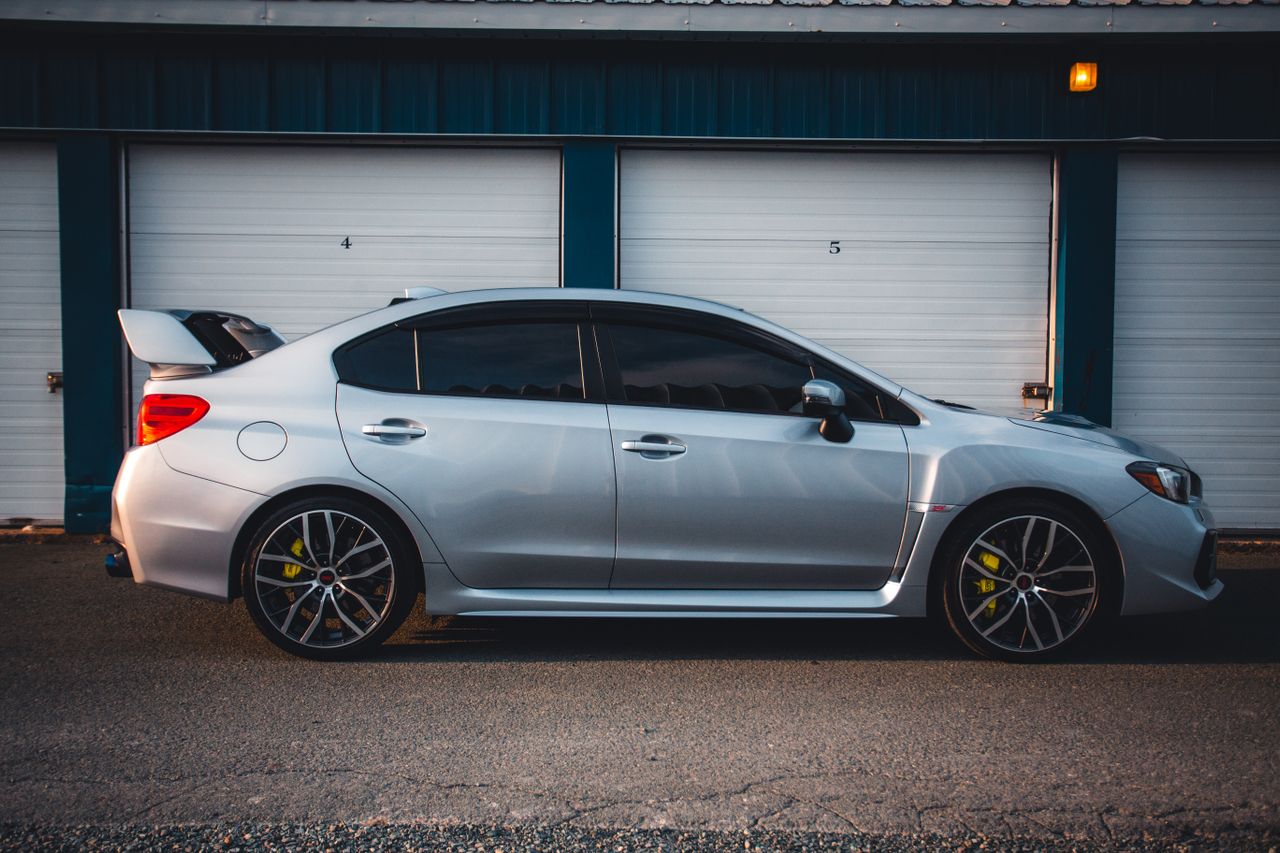
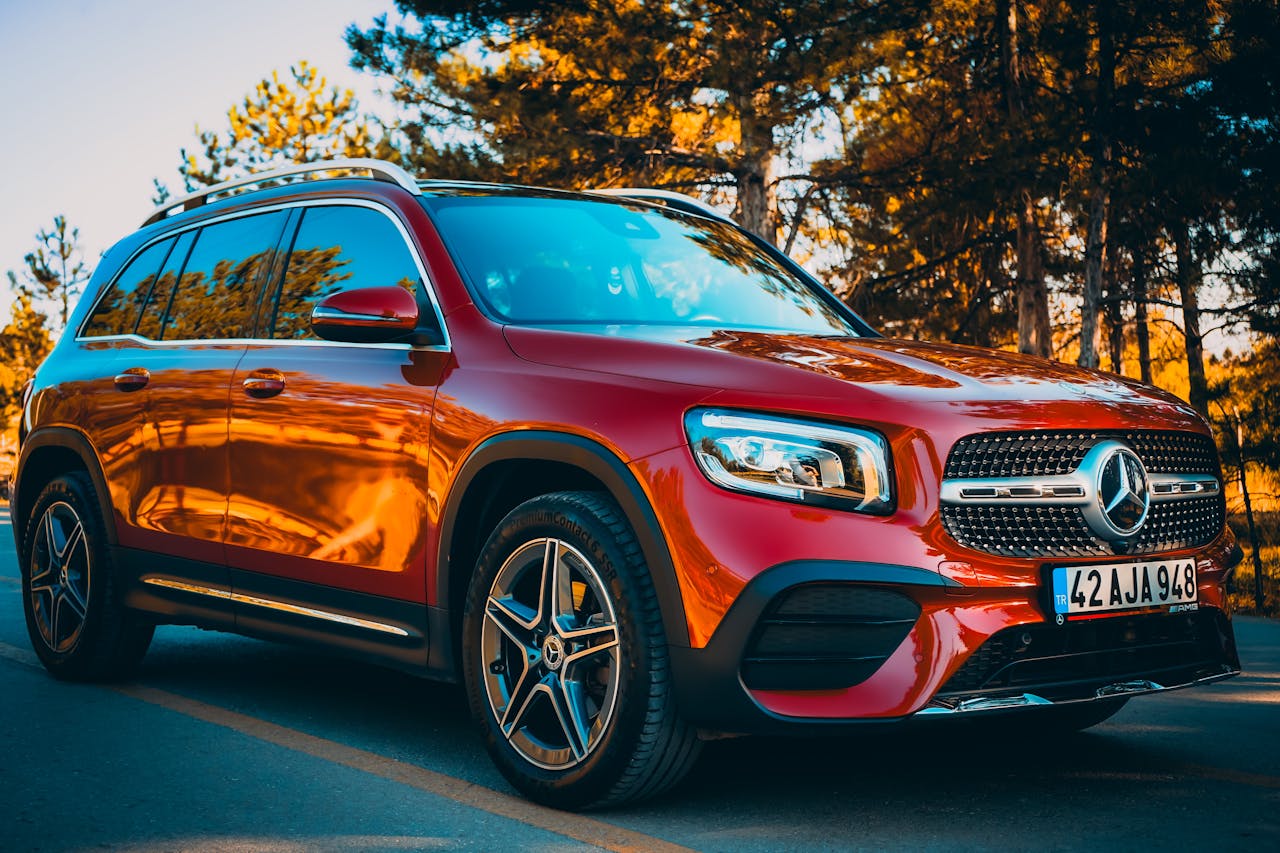
Mid-sized vehicles like sedans and family SUVs sit firmly in the middle pricing tier. A sedan often has a large, heavily curved rear windscreen that requires careful heat shrinking so the film molds perfectly without creasing. SUVs simply have a larger surface area, meaning the installer uses significantly more material to cover the entire cabin.
Large 4WDs, Vans, and Coupes
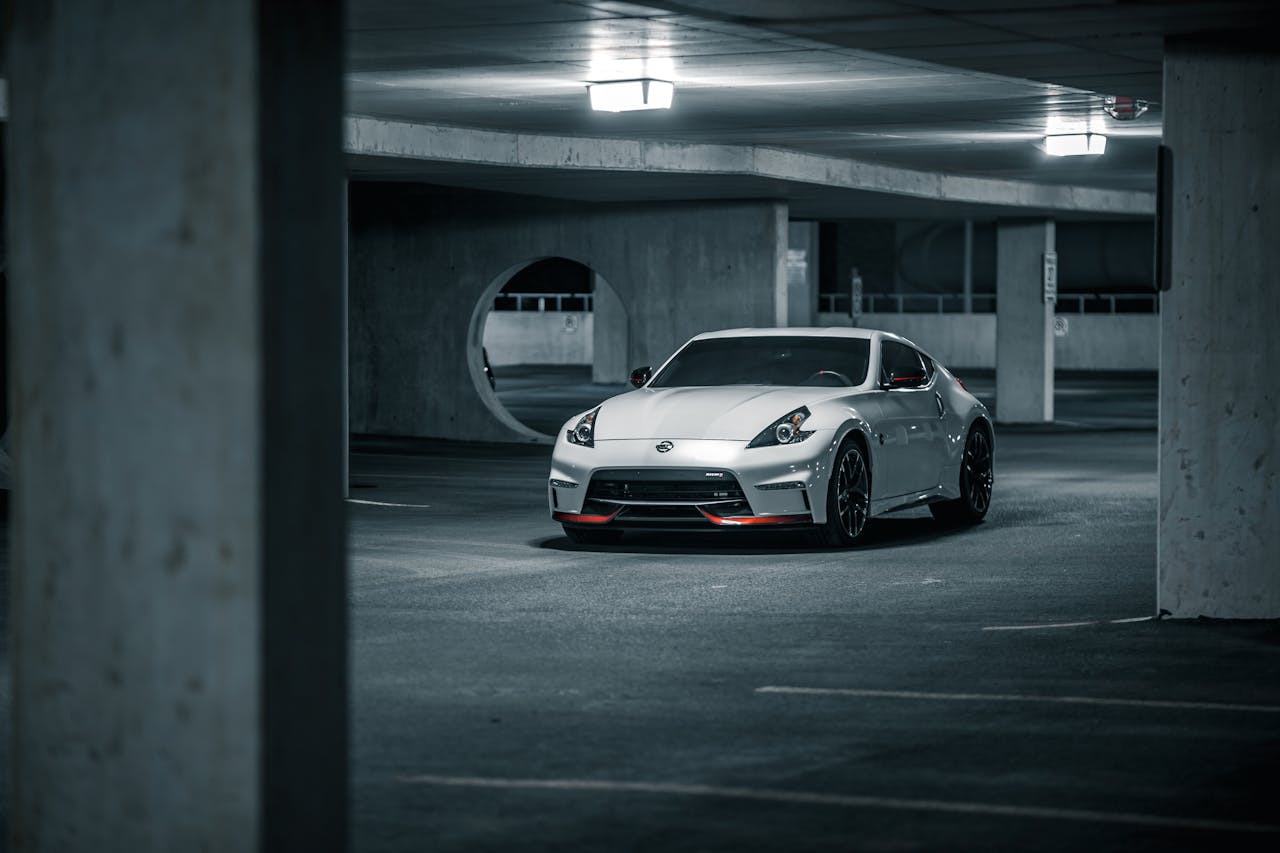
Vehicles with massive glass surface areas, like a large 4WD or a people-mover van, command the highest prices. Coupes can also be expensive because they often feature frameless doors or highly complex, deeply curved rear glass. The meticulous precision required to tint these vehicles without making mistakes adds noticeable labour time to the final bill.
Factor 3: Old Tint Removal and Mobile Convenience
There are two additional factors that can alter the final price you receive. The first is whether your car already has old, bubbling tint that needs to be removed.
The Cost of Old Film Removal
Removing failing tint is a messy, sticky, and highly labour-intensive job. An installer must carefully steam off the old film and meticulously scrape away the hardened adhesive without scratching the glass.
- Rear Demister Care: Installers must be extremely gentle around the rear windscreen to avoid breaking the delicate demister lines.
- The Fee: This painstaking removal process usually adds an extra fee to your quote to cover the additional hours of manual labour.
The Benefit of Mobile Convenience
The final factor is where the work takes place. Driving to a workshop, dropping off your car, and paying for a ride home takes up half your day.
Opting for a premium mobile service brings the expertise directly to your driveway or workplace. While there might be a small premium for this level of convenience, saving your weekend and avoiding the hassle of a workshop drop-off is often well worth the minor cost difference.
Is the Cheapest Quote Worth the Risk?
At the end of the day, the price you pay is a direct reflection of the materials and craftsmanship you receive. When a quote seems too good to be true, it almost certainly is. Cheap installers rush the job, skip the crucial cleaning stages, and leave behind dust and bubbles trapped under the film.
Investing in high-quality carbon or ceramic films applied by a dedicated professional guarantees a flawless, bubble-free finish. You get a product backed by a genuine warranty, maximum UV protection for your skin, and a massive reduction in cabin temperatures during those sweltering coastal summers.
Conclusion
Understanding how quotes are structured is the best way to avoid being overcharged or scammed by backyard operators. The true cost of your job depends entirely on the technology of the film you choose, the amount of glass on your specific vehicle, and the careful labour required to prepare the surface. Proper preparation and professional application are what make the tint last for the life of your vehicle.
Do not let confusing quotes push you into a cheap, temporary fix. When you want absolute transparency and premium results, trust the experts who bring the studio directly to you.
Are you ready to escape the heat with a high-performance film tailored to your vehicle? Let the Mobile Window Tint and Ceramic Coating Specialists take care of your ride. Reach out for a free, transparent, and no-obligation quote today by visiting the contact page at R1 Auto Gold Coast .