If you have lived in the Bush Capital for more than a year, you know the weather here is a land of extremes. We endure sub-zero frosts in July that freeze your door handles shut, and then, six months later, we face blistering 35°C days that turn your car’s interior into a mobile oven.
Navigating these temperature swings requires more than just a good air conditioner; it requires effective insulation.
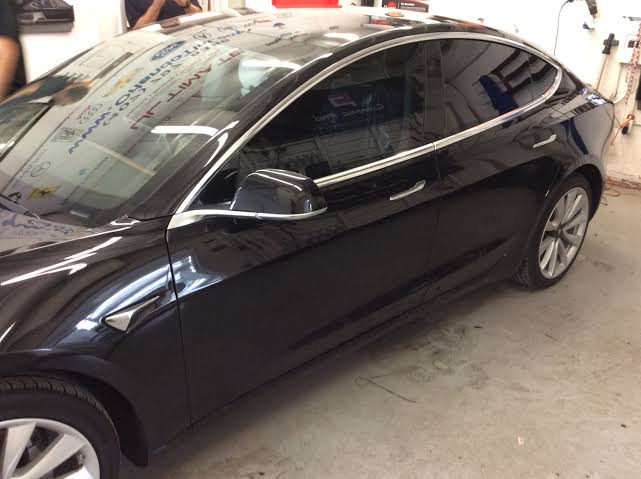
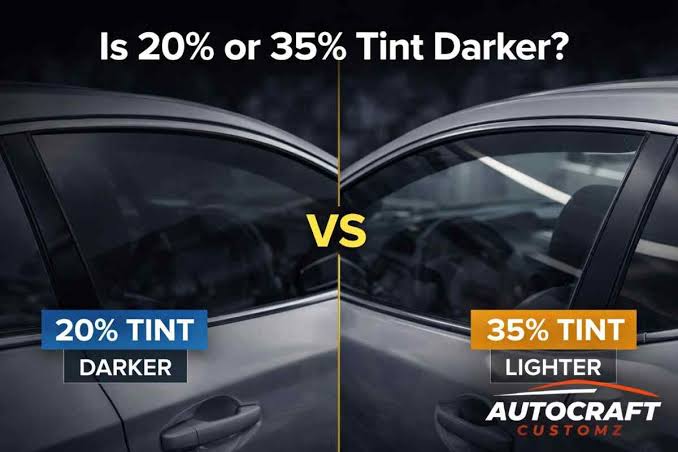
For many local drivers, the search for window film Canberra starts with a desire for privacy or a sleeker look. But once you start researching, you are hit with technical jargon: Carbon, Nano-Ceramic, IR Rejection, VLT. It can be confusing.
The big question we get asked at R1 Auto Canberra is simple: “Is the more expensive ceramic tint actually worth it, or is it just marketing hype?”
In this guide, we strip away the sales pitch and look at the data. We compare the real-world performance of standard films against premium ceramic options, helping you decide if the upgrade is necessary for your daily drive down the Tuggeranong Parkway.
The Canberra Factor: Altitude and UV
Before we compare the films, we need to look at where we are driving. Canberra sits at an elevation of approximately 580 metres above sea level. This is significantly higher than Sydney or Melbourne.
Why does this matter? UV radiation increases by about 10-12% for every 1000 metres of altitude.
While we aren’t quite on top of a mountain, the UV rays here are sharper and more intense than on the coast. This leads to two major issues for vehicle owners:
- Accelerated Interior Fading: Dashboards and leather seats crack and fade faster here.
- Skin Damage: The “driver’s tan” on your right arm is a genuine health risk during long commutes from Gungahlin to the Parliamentary Triangle.
Regardless of which film you choose, ensuring it has 99% UV rejection is non-negotiable for Canberra drivers. Fortunately, both standard and ceramic films offered by R1 Auto meet this standard. The real difference lies in heat rejection.
The Contender: Standard Carbon Film (Performance Tint)
When you see a standard quote for tinting, it is usually for a Carbon-based film. This is a massive step up from the cheap “dyed” films of the 90s that turned purple and bubbled.
What is it? Carbon film contains carbon particles infused into the polyester layers. It is matte, non-reflective, and provides a deep black finish.
The Pros:
- Colour Stability: Unlike dyed films, carbon will not fade to purple.
- Glare Reduction: It effectively cuts down the glare from the morning sun as you drive east over Kings Avenue Bridge.
- Privacy: It creates that secure, private cabin feel.
- Cost: It is the more affordable option.
The Cons:
- Heat Rejection: While it blocks some heat, carbon film primarily blocks heat by simply shading the interior. It lacks the technology to actively repel Infrared (IR) energy.
Verdict: Standard performance tint is a fantastic choice if your primary goals are aesthetics, privacy, and UV protection on a budget.
The Heavyweight: Nano-Ceramic Tint
If Carbon is a standard shield, Ceramic is a forcefield.
What is it? Nano-Ceramic film is coated with microscopic ceramic particles. These particles are non-conductive and non-metallic, but they possess a unique property: they are spectrally selective. This means they can let visible light in while blocking invisible heat.
The Pros:
- Infrared (IR) Rejection: This is the headline feature. Solar heat is carried primarily by Infrared rays. Ceramic tint blocks up to 96% of Infrared heat.
- The “Oven” Effect: In a car with ceramic tint, the air conditioning works much faster because the interior surfaces (seats, steering wheel) haven’t absorbed solar energy.
- Clarity: Ceramic films often have higher optical clarity, meaning the view out is sharper, day and night.
The Cons:
- Price: The manufacturing process is more complex, leading to a higher ceramic window tint cost.
The Cost vs. Comfort Equation
So, is it worth the extra investment? To answer that, you need to analyze your driving habits.
Scenario A: The Short Commuter
You live in Braddon and work in Civic. Your car is parked underground at home and in a parking garage at work. You drive for maybe 20 minutes a day.
- Recommendation: Standard Carbon Tint.
- Why: Your car isn’t sitting in the sun long enough to heat soak, and your commute is short. The standard film will give you the privacy and look you want without the extra expense.
Scenario B: The Daily Warrior
You live in Banks or Dunlop and commute 30-40 minutes each way. Your car is parked in an open-air lot at the office, baking in the Canberra summer sun for 8 hours a day.
- Recommendation: Nano-Ceramic Tint.
- Why: This is where the ceramic window tint cost pays for itself. When you get into your car at 5:00 PM, the difference between a ceramic-tinted car and a standard-tinted car can be 10-15 degrees in internal temperature. You stop sweating sooner, you burn less fuel (AC usage), and your drive home is comfortable rather than exhausting.
Signal Interference: A Critical Note for Canberra
Canberra is a tech-heavy city. We rely on GPS to navigate the roundabouts, E-Tags for trips to Sydney, and constant mobile connectivity for work.
In the past, high-end heat rejection films were made of metal . These metallized films were great at reflecting heat, but they acted like a Faraday cage, blocking mobile signals and GPS.
Both Carbon and Ceramic films provided by R1 Auto are 100% metal-free. This is vital. It means you get maximum heat protection without your GPS dropping out just as you are trying to navigate the interchange at Adelaide Avenue.
Durability in the Frost
We mentioned the heat, but what about the cold? Canberra winters are notorious for frost.
Cheap, low-quality adhesive often becomes brittle in sub-zero temperatures. When the heater is cranked up in the morning, the rapid expansion of the glass from freezing to hot can cause cheap tint to de-laminate or bubble.
When shopping for window film Canberra , always ask about the warranty. At R1 Auto, whether you choose Carbon or Ceramic, our films are backed by a Lifetime Manufacturer’s Warranty. They are tested to withstand the thermal shock of a Canberra winter morning.
The Mobile Advantage
Finally, let’s talk about convenience. We know that Canberra is a “20-minute city” in theory, but dropping your car off at a workshop in Mitchell or Fyshwick and finding your way back to work can turn into a logistic nightmare.
R1 Auto Canberra brings the workshop to you.
- Home or Office: We can install your tint in your home garage in Belconnen or your office car park in Woden (provided there is cover and power).
- Dust Control: We set up a controlled environment to ensuring a clean install, just like a fixed shop.
Conclusion: Making the Right Choice for Your Ride
There is no “wrong” choice between Carbon and Ceramic; there is only the right choice for your lifestyle.
If you are looking for performance tint that looks great and blocks UV rays on a budget, Carbon is the way to go.
However, if you want to actively lower the temperature of your cabin, protect your family from infrared heat, and future-proof your vehicle against the harsh ACT climate, the upgrade to Ceramic is a smart investment. When you amortize the ceramic window tint cost over the years you own the car, it works out to just cents per day for significantly higher comfort.
Don’t let the next heatwave catch you unprepared.
Ready to cool down your commute?
Get expert advice and premium installation without leaving your driveway.
Contact R1 Auto Canberra today for a free, no-obligation quote.
Whether you choose Carbon or Ceramic, we guarantee a flawless finish that withstands the capital’s climate.