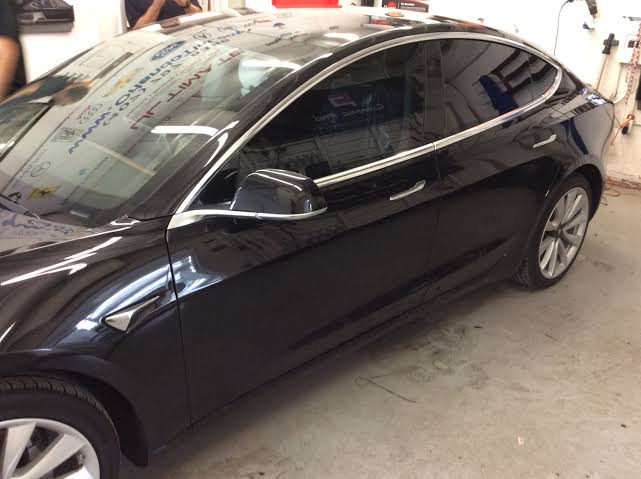
Car window tinting has long been a favourite upgrade for Australian drivers - and for good reason. In a country known for its intense sunlight and sweltering summers, tinting your vehicle’s windows isn’t just about looks. It’s a practical and cost-effective way to enhance comfort, increase safety, and protect both passengers and interiors from harmful UV rays.
If you’re thinking about upgrading your car, this guide will help you understand why car window tinting remains such a smart investment. We’ll cover the key benefits, the different types of tints available, and how factors like film quality and vehicle size influence your car glass tinting cost.
The Benefits of Car Window Tinting
1. UV Protection
Australia has one of the highest levels of UV radiation in the world, which can cause skin damage and fade car interiors over time. Quality car window tinting blocks up to 99% of harmful UV rays, reducing the risk of skin cancer and protecting your upholstery from cracking and discolouration.
2. Heat Reduction
Car tinting can dramatically reduce the amount of heat entering your vehicle, making it more comfortable - especially during summer. Some advanced films can block up to 60% of solar heat, reducing reliance on air conditioning and saving on fuel.
3. Increased Privacy
Tinted windows make it harder for outsiders to see inside your car, giving you and your passengers more privacy. This is especially appealing for families and people who often leave valuables in their vehicle.
4. Enhanced Safety
In the event of an accident, window film can help hold shattered glass together, reducing the risk of injury. This makes car window tinting a subtle but important safety upgrade.
5. Stylish Appearance
Let’s not forget the aesthetic appeal. Tinted windows give your vehicle a sleek, modern look. It’s one of the simplest upgrades to elevate your car’s style without breaking the bank.
Types of Car Window Tinting Films
Not all tints are created equal. Here are the most common types available on the Australian market:
● Dyed Film
An affordable entry-level option that offers basic heat and glare reduction. It looks great but doesn’t offer as much durability or UV protection as higher-end alternatives.
● Metalised Film
This type uses microscopic metal particles to reflect heat and strengthen windows. It provides good UV protection and adds a shiny finish but may interfere with GPS and mobile signals.
● Carbon Film
A premium choice that provides excellent heat and UV rejection without interfering with electronics. It also gives a matte finish that looks clean and modern.
● Ceramic Film
The gold standard in car window tinting. Ceramic tints block a high percentage of heat and UV rays while maintaining clear visibility. They’re more expensive but offer superior performance and longevity.
Understanding Car Glass Tinting Cost
The cost of tinting your car windows can vary based on several key factors:
1. Type of Tint Film
As mentioned, dyed films are the cheapest, while ceramic films cost more but offer better performance. The quality of the tint you choose plays a big role in the final price.
2. Vehicle Size
Larger vehicles like SUVs, vans, or utes require more film and time to install, which increases the overall car glass tinting cost compared to smaller cars.
3. Number of Windows
Some drivers choose to tint only the rear windows, while others opt for full coverage, including the windscreen strip. The more windows you tint, the higher the cost.
4. Installer Reputation and Warranty
Going with a professional installer who offers a warranty may cost more upfront but can save you in the long run. Poor-quality work can lead to bubbling, peeling, or fading, which might require re-tinting.
Average Car Tinting Cost in Australia (2025)
Here’s a general breakdown of car tinting cost in Australia:
These are ballpark figures. Always ask for a quote tailored to your car model and desired tint type.
Legal Considerations in Australia
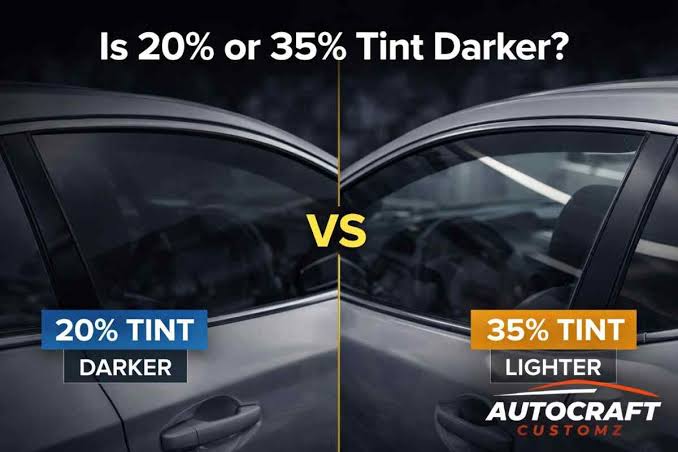
Each state and territory in Australia has specific laws around how dark your car tint can be. These rules are based on VLT (Visible Light Transmission), which refers to how much light can pass through the tinted glass.
Here’s a general overview:
- Front side windows : Minimum 35% VLT
- Rear side and back windows : Varies - can go as low as 20% in some states
- Windscreen : Tinting generally allowed only on the upper 10% (visor strip)
Always check local regulations or consult your tinting professional to ensure compliance. Illegal tints can result in fines and mandatory removal.
DIY vs Professional Tinting
While DIY kits are available, professional car window tinting offers several advantages:
- Precision Fit : Professionals use plotters and templates for an exact fit.
- Better Film Quality : Pros often have access to premium-grade films not sold in retail.
- Warranty : Many tint shops offer warranties for peeling, bubbling, and fading.
- Experience : Avoid costly mistakes - installing tint without creases or dust takes skill.
Unless you have experience, professional installation is usually worth the investment.
How to Choose the Right Tint for You
When choosing a tint, consider your goals:
- Want maximum UV and heat protection ? Go with ceramic.
- On a tight budget ? Dyed or metalised film might do the trick.
- Need privacy and style with mid-range performance? Carbon film is a great choice.
Also consider how long you plan to keep your car. If you’re in it for the long haul, investing in higher quality film makes sense.
Final Thoughts
Car window tinting remains one of the smartest and most affordable upgrades Australian drivers can make. Whether it’s for sun protection, heat reduction, style, or safety, the benefits are undeniable. Understanding your tinting options and the average car glass tinting cost can help you make an informed decision that suits your lifestyle and budget. So next time you’re thinking about ways to improve your driving experience, don’t overlook your windows - tinting them might just be the smartest move you make.
Ready to upgrade?
Look for trusted car window tinting professionals in Canberra and get a personalised quote today .