Summer in the ACT is unforgiving. If you’ve ever parked your car near Lake Burley Griffin or spent an afternoon shopping at the Canberra Centre , you know the feeling of opening your door to a blast of furnace-like heat. As we move through 2026, protecting your vehicle, and your passengers, from the harsh Australian sun isn’t just a luxury; it’s a necessity.
However, navigating the market for window tinting can be confusing. You might see a roadside sign offering a “cheap tint” for $200, while a specialist quotes $600 or more. Why the discrepancy?
At R1 Auto , we believe in total transparency. We want you to understand exactly what you are paying for so you can make an informed decision without the sales pressure. In this guide, we break down the current car tint price in Canberra, explain the technology behind the films, and help you find the best value for your vehicle this year.
Why Do Prices Vary So Much?
Before we talk dollars, it is vital to understand that window tint is not a “one size fits all” product. The variance in quotes you receive is usually due to three main factors:
- The Technology of the Film: Old-school dyed films are cheap but fade quickly. Modern ceramic and nano-ceramic films cost more to manufacture but offer superior heat rejection and longevity.
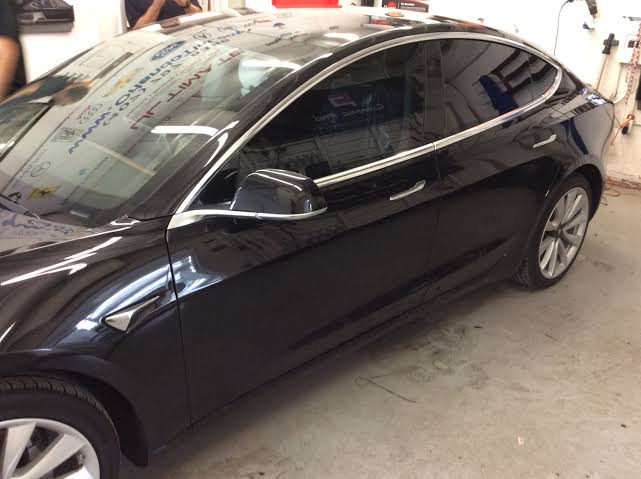
- The Size and Complexity of Your Vehicle: Tinting a small hatchback like a Toyota Corolla requires less material and labour than a large 4WD like a Land Cruiser or a Tesla with a complex rear window curve.
- The Installer’s Expertise: You are paying for the skill to heat-shrink film perfectly to your glass curvature without creases or contamination.
When you are researching the cost to tint car windows , you are effectively balancing performance against your budget.
2026 Price Estimates: What Should You Pay?
To give you a realistic idea of the market in Canberra this year, we have categorized pricing based on film quality. Please note these are market averages for a standard 4-door vehicle.
1. Entry-Level (Dyed or Standard Films)
- Estimated Cost: $220 - $350
- Best For: Aesthetics and privacy on a budget.
These films rely on dye to darken the windows. They provide that sleek “blacked-out” look and offer decent privacy. However, they are less effective at blocking infrared heat (the heat you feel burning your skin).
- Pros: Most affordable option; reduces glare.
- Cons: Can fade to purple over time; lower heat rejection.
2. Mid-Range (Carbon Films)
- Estimated Cost: $390 - $550
- Best For: A balance of durability and performance.
Carbon films are infused with carbon particles rather than simple dye. This means they won’t fade or turn purple. They offer a matte finish and block a moderate amount of heat, making them a solid upgrade for the daily commute down the Tuggeranong Parkway .
- Pros: No fading; zero signal interference for GPS/phones.
- Cons: Heat rejection is good, but not top-tier.
3. High-Performance (Ceramic & Nano-Ceramic)
- Estimated Cost: $590 - $800+
- Best For: Maximum heat rejection and UV protection.
If you want to keep your kids cool in the back seat during a road trip to the coast via the Kings Highway , this is the gold standard. Ceramic films use non-conductive ceramic particles to block up to 99% of UV rays and significantly reduce infrared heat transfer.
- Pros: Superior heat reduction; protects interior trim from cracking; lifetime warranty (typically).
- Cons: Higher initial investment.
Detailed Breakdown: What Goes Into the Cost?
When you look at auto glass tinting prices , you aren’t just paying for a roll of plastic. Here is where your money actually goes:
Labour and Preparation
The difference between a factory-finish look and a “bubbling nightmare” is preparation. A professional installer spends significant time cleaning the glass to remove invisible dust, grease, and residue.
- The Strip & Tint Factor: If your car already has old, bubbling purple tint, it must be removed. This is a labour-intensive process involving steam and specialized solvents to protect your demister bars. Expect an additional removal fee (usually $150 - $200) on top of the new tint price.
Quality of Materials
Cheap films imported without certification may look good for three months, but they often fail in the Australian climate. High-quality American or German-engineered films (like those we use at R1 Auto) are tested to withstand high UV indices.
Convenience (The Mobile Advantage)
Time is money. Traditional shops require you to drop your car off in an industrial suburb like Mitchell or Fyshwick and find your own way home or to work.
- R1 Auto brings the workshop to you. We are fully equipped mobile specialists. Whether you are working from home in Gungahlin or at the office in Barton, we handle the installation on-site. This convenience is a value-add that saves you Uber fares and lost hours.
The “Cheap Tint” Trap: A Warning for Canberrans
We often get calls asking to fix a bad job done by a “budget” installer. While saving $100 upfront is tempting, the long-term cost to tint car windows increases significantly if you have to pay twice.
Common signs of a low-quality tint job include:
- The Purple Haze: Cheap dyes break down under UV light, turning the film purple within a year or two.
- The Bubble Rash: This occurs when the adhesive fails. It looks terrible and can actually obstruct your vision, making your car unroadworthy in the ACT.
- Dot Matrix Silvering: The “dot matrix” is the border of dots on your car window. Inexperienced installers often leave a jagged, silver air gap here. A pro knows how to sit the film correctly over these dots.
Legal Limits: Keeping it Street Legal in the ACT
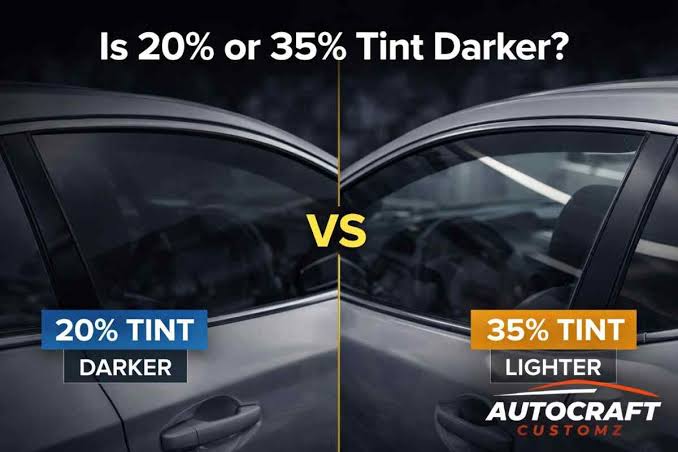
When discussing auto glass tinting prices , we must also discuss compliance. In the Australian Capital Territory, the laws are strict regarding how dark you can go (measured in VLT - Visible Light Transmission).
- Front Side Windows: Must allow at least 35% of light in.
- Rear Side & Back Windows: Must allow at least 20% of light in (for passenger cars).
- Windscreen: Only a tinted band at the very top (10% of the windscreen area) is permitted.
Installing “limo tint” (5% VLT) on front windows is illegal. Not only does it attract police attention, but it can also void your insurance in the event of an accident at night. A professional installer will always ensure your vehicle remains roadworthy.
Is Ceramic Tint Worth the Extra Cost in 2026?
Given the rising car tint price across the board due to global supply chain shifts, many customers ask if the jump to ceramic is justified.
In Canberra, the answer is almost always yes .
Our climate is unique. We experience frost in July and blistering 35°C+ days in January. Ceramic tint acts as an insulator. It helps keep heat out in summer, but it also provides a layer of insulation to help retain warmth in winter.
- UV Protection: It blocks 99% of harmful UV rays, which protects your skin and prevents your dashboard and leather seats from fading and cracking.
- Glare Reduction: The low angle of the winter sun in Canberra can be blinding. High-quality tint significantly reduces eye strain.
If you plan to keep your car for more than two years, the cost-per-day difference between standard and ceramic is negligible, yet the comfort difference is massive.
Summary: Getting the Best Value
To ensure you are satisfied with your investment, follow this simple checklist before booking:
- Ask for the Brand: Know exactly what film is being put on your car.
- Check the Warranty: Does it cover fading, bubbling, and peeling?
- Confirm the Shade: Ensure you are getting a legal VLT percentage.
- Verify the Process: Ask if they file the top edges (micro-edge) for a seamless look.
You don’t need to overpay, but you shouldn’t underpay for quality that won’t last.
Ready to Cool Down Your Ride?
Don’t spend another summer dreading the drive. At R1 Auto Canberra , we combine premium materials with the ultimate convenience of mobile service. We come to you, ensuring a professional finish without disrupting your day.
Get a transparent, no-obligation quote today.
Contact R1 Auto - The Mobile Specialists Serving all of Canberra and surrounding regions.