When the blistering summer holidays arrive in South East Queensland, getting into a parked car often feels like stepping straight into an oven. This blinding glare and trapped heat make the temptation of cheap DIY tint kits incredibly strong for many drivers. However, grabbing a cheap roll of plastic from an auto store usually ends in a bubbling, peeling mess that you have to scrape off months later.
When you decide to invest in professional protection, choosing the right shade from a tiny sample book can be incredibly confusing. We constantly get asked to compare a 35 tint vs 20 to see which one actually performs better under the intense Queensland sun. In this straightforward guide, we give you the honest facts about visual darkness, heat rejection, and local road rules so you can make the smartest choice for your vehicle.
The Brutal Reality of Caboolture Driving
Living in the Caboolture region means our cars take a massive beating from the environment every single day. Whether you are parking near the water at Bribie Island for a weekend fish or cruising the Bruce Highway during your daily commute, your car is completely exposed. The intense local sun actively fades your dashboard and makes your leather seats unbearably hot to touch.
Add in our famous coastal humidity and the harsh salt air, and your cabin’s interior ages much faster than normal. You want high-quality interior protection that actually keeps your family comfortable and preserves the resale value of your vehicle. Relying on cheap materials or dangerously dark illegal films simply is not the right way to protect your daily driver.
What Do the Numbers Actually Mean?
To make an informed decision, you first need to understand how the industry measures window darkness. Mechanics and the highway patrol use a standard called Visible Light Transmission (VLT). This simple number represents the exact percentage of outside light that is allowed to pass through the glass and film into your cabin.
A lower VLT percentage means the window film is significantly darker. Therefore, a 35 vlt window tint allows exactly 35% of light to pass through the glass. A 20% film is darker, letting only 20% of the visible light inside. Understanding this basic measurement is the first step in comparing different auto tint shades for your family car.
The Visual Difference: 20 Tint vs 35 Tint
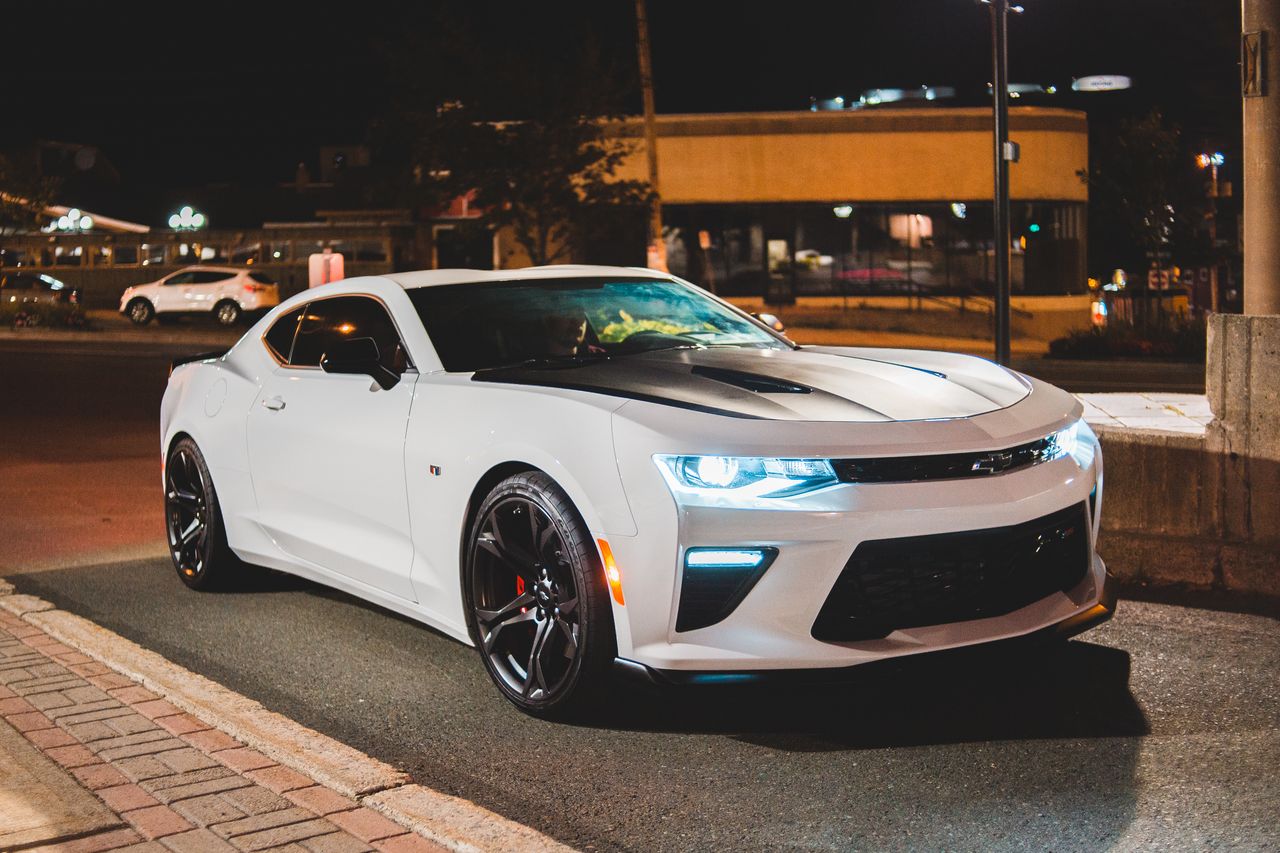
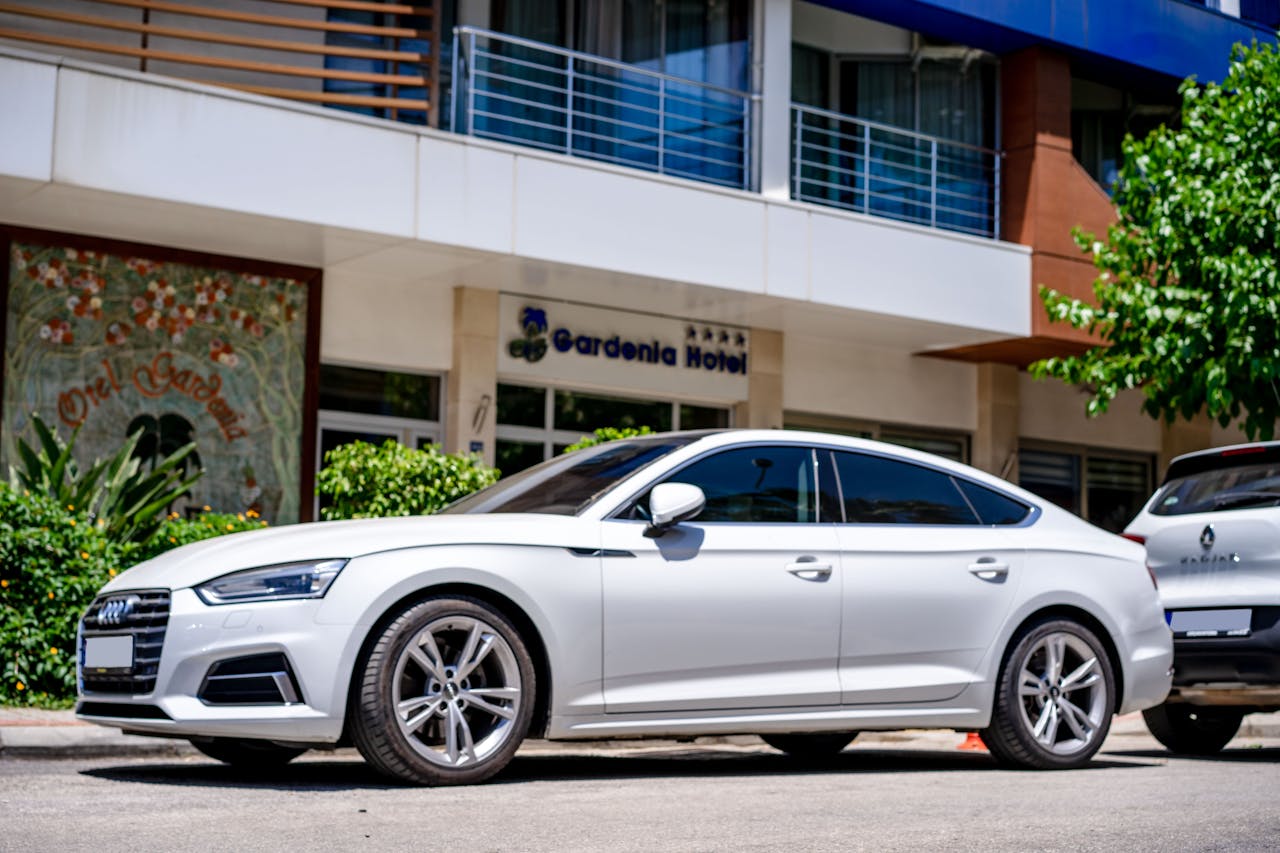
When compa ring a 20 tint vs 35 tint , the most obvious diffe rence is exactly how they look from the outside of the vehicle. A 35% shade provides a classic, premium factory finish that cuts out blinding glare but still allows people to slightly see the silhouettes inside the car. It is the perfect middle ground for everyday drivers who want a sleek look without going completely dark.
On the other hand, a 20% shade provides a much higher level of exterior privacy. From the outside, it looks noticeably darker, effectively hiding tools, bags, or passengers in the back seat from prying eyes. However, this extra privacy comes with important legal and safety considerations that you must keep in mind.
Queensland Tinting Laws You Must Know
Before you choose a shade, you need to know exactly what the Department of Transport legally allows. If you apply a film that is too dark, you risk earning a heavy fine, a defect notice, and even voiding your car insurance in the event of an accident. The state rules dictate specific limits based on which window you are modifying.
Front Window Regulations
For standard passenger vehicles, the absolute darkest film you can legally apply to the front driver and passenger doors is 35% VLT. This strict rule ensures you maintain clear visibility when checking your side mirrors or navigating dark suburban streets. It is a critical safety standard that protects you, pedestrians, and local cyclists.
Rear Window Freedoms
Queensland law offers a bit more flexibility for the back half of your vehicle. Any windows strictly behind the driver can be legally tinted down to 20% VLT. This allows you to combine a 35% front with a 20% rear, giving you excellent back-seat privacy while remaining 100% compliant with the local tint shade qld regulations.
Does a Darker Tint Mean a Cooler Car?
A very common myth is that you need pitch-black windows to block out the brutal summer heat. Many drivers think a 20% film will naturally cool the car much better than a 35% film. This is where modern ceramic technology shines.
High-end nano-ceramic films use microscopic, invisible particles to actively bounce infrared heat away from your car, regardless of how dark they look.
- Massive Heat Rejection: Both our 35% and 20% ceramic films block up to 88% of the sun’s blistering heat.
- Total UV Defense: Both shades reject 99% of harmful UV rays, protecting your skin like a permanent, heavy-duty sunscreen.
- Zero Signal Interference: Ceramic materials will never block your mobile phone, GPS, or radio signals, no matter which shade you choose.
Nighttime Visibility and Driver Safety
Your ability to see clearly out of your windows at night should be your top priority. While a 20% film looks fantastic during a bright afternoon, it can make reversing out of a dark, unlit driveway much more challenging. A 35% film strikes the ultimate balance, giving you incredible daytime glare reduction without ever sacrificing your crucial nighttime visibility.
If you struggle with poor vision in low-light conditions, sticking with a 35% film all the way around the car is usually the smartest, safest choice. It provides total peace of mind, ensuring you can easily spot hazards on the road regardless of the weather or time of day.
Why You Should Skip the DIY Kits
Applying any protective layer to your vehicle requires surgical precision and a perfectly sterile environment. The temptation of cheap DIY kits completely ignores the extreme level of cleanliness required to apply film properly without trapping dust. If a single speck of dirt gets trapped under the plastic, the film will permanently bubble and ruin your view.
This strict dedication to meticulous preparation is standard for all of our professional services. When we perform a window tinting installation, the glass decontamination and precision cutting steps are completely non-negotiable.
- Deep Glass Cleaning: We carefully scrub the windows to safely dissolve hidden oils, dust, and sticky residue.
- Precision Heat Shrinking: We use specialized tools to mold the flat film around the natural curves of your glass so it sits perfectly flat.
- Sterile Application: We execute the final installation in a highly controlled environment to stop wind and dirt from ruining the finish.
The Massive Convenience of Mobile Service
We know that your weekends are incredibly valuable to you and your family. Navigating heavy traffic just to drop your car off at a traditional workshop for the entire day is a massive inconvenience. You value your time and want professional, honest advice without sitting in a boring, crowded waiting room.
This is exactly why we bring our premium mobile expertise directly to your driveway. As long as you have a clean, enclosed double garage to ensure a dust-free application, we deliver flawless results right to your door. If you are searching for a reliable mobile car window tinting near me , our process is designed to save you time and hassle.
Conclusion: Making the Right Choice
Trying to decide between a 35% and a 20% shade comes down to balancing your desire for privacy with your need for safe nighttime driving. By mixing shades legally or sticking to a high-performance 35% ceramic film all around, you guarantee a cooler, safer, and much more comfortable daily drive.
Ultimately, proper preparation and professional application are what make the coating and tint last for the entire life of your vehicle. Do not settle for bubbly, purple windows that ruin the look of your car and fail to protect your family from the harsh local elements.
If you are ready for a flawless finish with zero high-pressure sales tricks, we are here to help. Get in touch with R1 Auto Caboolture by visiting our home page today. Reach out via our contact page to secure a free, no-obligation quote and get the honest, lasting protection your vehicle truly deserves.