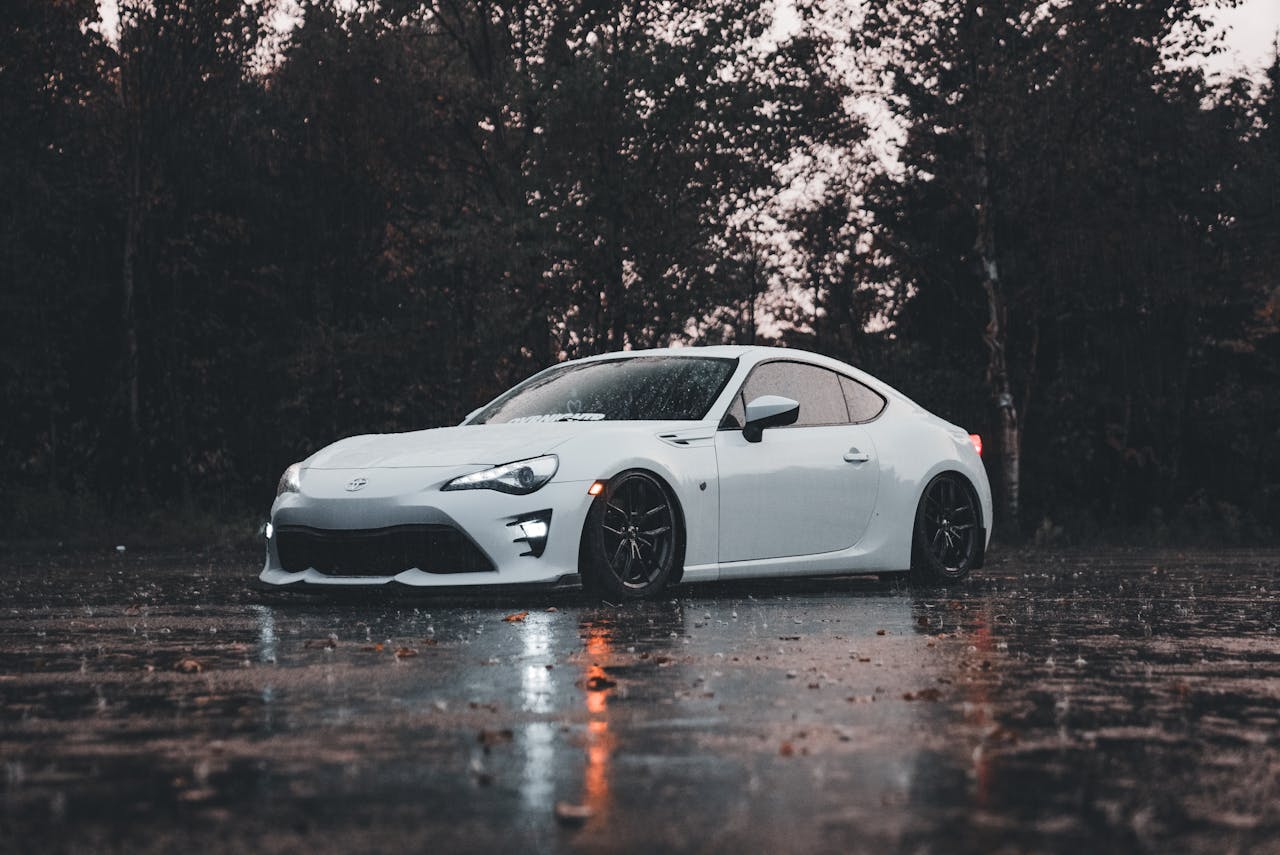
Driving in rain presents unique challenges that demand attention, skill, and preparation. Roads become slick, visibility drops, and even short journeys can turn hazardous. Over the years, experiences behind the wheel in wet conditions have reinforced one lesson clearly: careful planning and mindful driving make all the difference. This guide shares practical strategies for navigating rain-soaked roads confidently, whether facing a light drizzle or a downpour.
Prepare Your Vehicle Before You Hit the Road
Before setting out, vehicle readiness must be a top priority. Wet roads exaggerate small issues, and even minor maintenance oversights can increase risk. Regular checks and preventive steps provide peace of mind and improve vehicle stability. Follow these safety tips for a safer drive.
Check Tyres
Tyres bear the full responsibility of keeping us grounded on slippery surfaces. Worn tread significantly increases the chance of aquaplaning, while incorrect pressure reduces responsiveness. Inspect tread depth monthly and ensure all four tyres maintain the recommended pressure. Rotating tyres regularly also promotes even wear, improving traction in all conditions.
Replace Windscreen Wipers
Clear vision remains non-negotiable. Worn wipers leave streaks that obscure hazards, particularly during heavy rain or early morning drives. Test wipers before every journey, replacing blades at least once a year or when visibility declines. Pair wipers with washer fluid that contains rain-repellent properties for enhanced performance.
Test Lights and Indicators
Headlights, brake lights, and indicators communicate intentions to other road users. Faulty lights reduce visibility and increase the risk of collisions. Always confirm functionality before travelling, using low beams in rain to avoid reflecting off water, which can dazzle both drivers and pedestrians.
Use Ventilation and Demisters
Fogged windows limit reaction time and awareness. Switching on ventilation or demisters keeps the windscreen clear, reducing driver distractions. Combining airflow with air conditioning often clears condensation quickly, maintaining consistent visibility in all conditions.
Adjust Your Driving Behaviour in Wet Conditions
Adapting how we drive can prevent accidents before they occur. Driving in poor conditions requires more than caution. They demand active control and deliberate movements.
Slow Down
Speed amplifies risk. Even slightly faster travel increases stopping distance dramatically on slippery surfaces. Reducing velocity gives time to react, absorbs sudden hazards, and helps maintain stability during unexpected manoeuvres.
Increase Following Distance
Stopping distance multiplies on wet roads. Maintaining at least twice the usual gap from vehicles ahead creates buffer space to avoid collisions. This distance becomes invaluable when braking on slippery surfaces or facing unpredictable traffic.
Avoid Cruise Control
While cruise control offers comfort during dry conditions, it can worsen aquaplaning risk. Cruise control cannot respond to sudden loss of traction, so manual control is safer. Immediate intervention ensures stability during water-laden stretches.
Smooth Steering and Gradual Braking
Abrupt steering or braking triggers loss of grip. Gentle, deliberate movements keep the car planted. Engaging brakes gradually, paired with steering that anticipates curves, reduces the chance of skidding and preserves vehicle control under all conditions.
Improve Visibility and Stay Aware
Maintaining clear sightlines remains central to wet-weather safety. Proactive scanning and awareness of other road users mitigate risks that rain naturally amplifies.
Turn on Headlights (Low Beam)
Low beams improve visibility for both the driver and other road users. High beams reflect off water, creating glare that can confuse drivers and reduce awareness. Using lights during daytime showers improves detection at intersections and roundabouts.
Keep Windscreen Clear
Windscreen clarity is essential. Beyond wipers, regularly apply rain-repellent solutions to deflect water. Observing how droplets behave helps anticipate when speed adjustments are necessary to maintain visibility. Tinted windows can also reduce glare from wet roads, high beam headlights and streetlights.
Watch for Spray from Large Vehicles
Trucks and buses generate water spray that can obscure vision within seconds. Maintaining extra space behind large vehicles prevents sudden blind spots. Slowing down when encountering spray also reduces the risk of aquaplaning.
Stay Alert for Pedestrians and Cyclists
Rain affects everyone. Cyclists and pedestrians become less visible, and reaction time decreases for all road users. Scanning intersections, anticipating movements, and signalling early ensures safe interactions, even in poor conditions.
Recognise and Avoid Common Rain-Related Hazards
Understanding hazards allows proactive avoidance rather than reactive correction. Wet roads present specific challenges that demand attention.
Hydroplaning / Aquaplaning
Aquaplaning occurs when tyres lose contact with the road due to water buildup. Steering becomes ineffective, and braking may worsen the situation. Respond by easing off the accelerator, holding the wheel steady, and avoiding sudden adjustments. Experience shows that calm, measured responses often prevent loss of control.
Avoid Puddles and Standing Water
Water can conceal potholes, debris, or uneven surfaces. Driving through puddles at speed reduces traction and increases the risk of losing steering control. Slowing down and navigating around accumulated water whenever possible maintains stability.
Turn Around Instead of Crossing Floodwater
Shallow water may appear safe but hides serious threats. Even six inches can stall vehicles, while deeper water can carry cars off-road. Choosing alternate routes or delaying travel prevents catastrophic outcomes. Observing warnings from locals or authorities offers additional guidance.
Watch for Slick Roads After Dry Spells
First rains following prolonged dry periods often mix with oil or dust, creating extra-slippery surfaces. Awareness during initial showers is crucial. Reducing speed and anticipating curves allows smooth navigation on unexpectedly slick sections.
Plan Your Journey and Know When to Delay
Rain forces planning into the forefront. Adjusting schedules, routes, and expectations improves safety significantly.
Check Weather and Road Conditions
Monitoring forecasts, traffic alerts, and live cameras informs route selection. Anticipating rainfall intensity or flood warnings prevents exposure to dangerous stretches.
Allow Extra Travel Time
Driving cautiously in rain invariably takes longer. Factoring extra time removes pressure to rush, enabling safe speed maintenance and calm decision-making.
Consider Postponing the Trip
Delaying travel during severe conditions remains the safest option. Heavy rain, flash flooding, or poor visibility can transform routine drives into emergencies. Flexibility ensures safety outweighs convenience.
What to Do If Conditions Worsen
Preparedness extends to emergency responses. Having a plan reduces panic and maintains control during unforeseen situations.
How to Safely Pull Over and Wait
Finding a secure location away from traffic prevents collisions. Engaging hazard lights signals intentions to others, ensuring visibility while stationary.
What to Do if You Lose Control or Skid
Skidding demands composure. Steering into the direction of the slide and gradually easing pressure on the accelerator restores traction. Avoid abrupt braking, which intensifies instability.
Emergency Kit Essentials
A stocked kit supports preparedness. Essentials include torch, phone charger, blanket, reflective vest, and basic first aid. Experience shows that even minor mishaps become manageable when equipment is on hand.
Final Safety Checklist
Driving in the rain requires diligence, awareness, and practical preparation. Over time, incorporating these strategies becomes second nature, enhancing confidence and reducing risk.
Quick Checklist:
- Inspect tyres and maintain correct pressure.
- Replace windscreen wipers before they fail.
- Test lights and use low beams.
- Activate ventilation to prevent fogging.
- Slow down and increase following distance.
- Avoid cruise control and brake gently.
- Stay alert for spray, pedestrians, and cyclists.
- Recognise and avoid puddles, aquaplaning, and floodwater.
- Monitor road conditions and allow extra travel time.
- Pull over safely or delay trips during severe weather.
- Keep an emergency kit within reach.
Implementing these habits transforms wet-road driving from a stressful challenge into a controlled, predictable experience. By combining preparation, careful behaviour, and awareness, our journeys remain safer, calmer, and more manageable regardless of rainfall intensity.